


Why More Growers Are Switching to Hydroponics in Australia
By Hydro Experts | 9 March 2026
.png)
Traditional agriculture anchored human civilization for millennia. Soil cultivation fed empires, sustained populations, and shaped landscapes. This farming model persists globally but faces mounting challenges from water scarcity, land degradation, climate unpredictability, and urbanization pressures. Growers worldwide recognize these constraints and seek alternatives delivering reliable production with reduced resource consumption.
Hydroponics eliminates soil entirely, growing plants in nutrient solutions that deliver precise nutrition directly to roots. The method originated in laboratory settings studying plant nutrition but evolved into commercial production systems feeding millions.
Australian growers adopt hydroponics benefits at accelerating rates driven by demonstrated advantages in water efficiency, space utilization, yield consistency, and environmental control. The transition requires investment and learning but delivers returns justifying the commitment.
1. Water Efficiency Driving Adoption

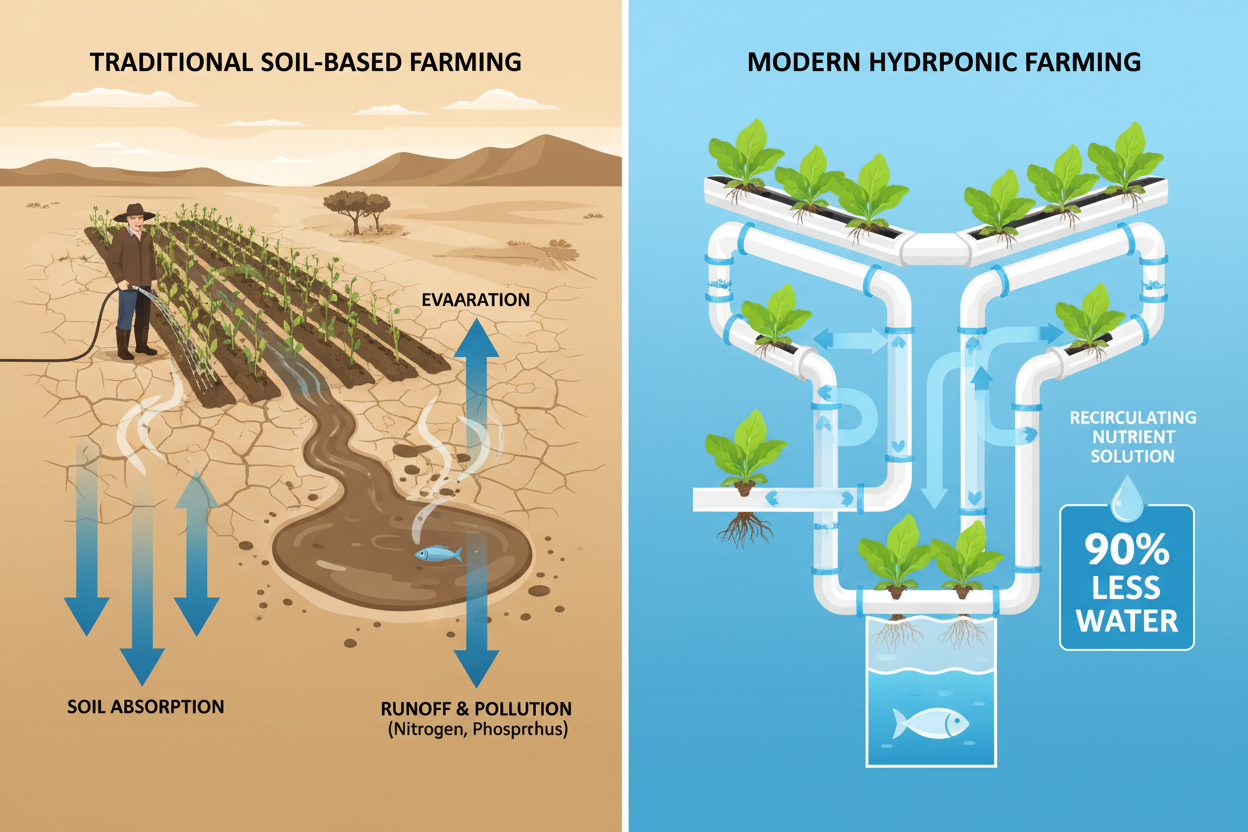
Water scarcity intensifies across Australia's agricultural regions. Traditional farming consumes vast quantities through soil absorption, evaporation, and runoff. Hydroponic systems recirculate nutrient solutions reducing water usage by 90 percent compared to field cultivation. This efficiency transforms production economics in water-restricted areas.
Drought cycles hitting Australia with increasing frequency make water reliability crucial. Growers dependent on rainfall or allocation-limited irrigation face production uncertainty. Hydroponics benefits include predictable water requirements independent of precipitation patterns. The controlled environment approach insulates production from climate variability.
Nutrient runoff from soil-based agriculture pollutes waterways with nitrogen and phosphorus. These nutrients feed algal blooms destroying aquatic ecosystems. Hydroponics benefits extend beyond farm gates by containing nutrients within closed systems. Recirculating designs prevent environmental contamination while recovering expensive fertilizers for reuse.
Water quality control in hydroponic systems maintains optimal plant conditions. Growers adjust pH, electrical conductivity, and dissolved oxygen to species-specific requirements. Soil farming accepts whatever water chemistry nature provides with limited modification capacity. This precision grows healthier plants with fewer deficiency issues.
Installation of water recycling systems within hydroponic operations captures runoff and condensation. Advanced growers achieve near-zero water discharge through comprehensive recovery. Even basic hydroponic setups using drain-to-waste methods consume fractions of soil farming's water demand. The hydroponics benefits for water conservation prove undeniable.
2. Space Optimization and Vertical Growing

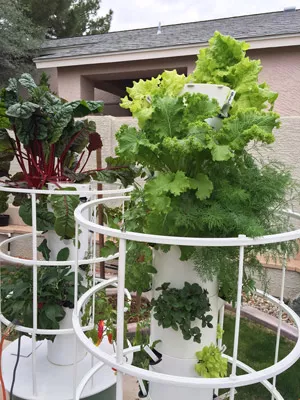
Urban land costs prohibit traditional farming near population centers where fresh produce demand concentrates. Hydroponics benefits include dramatic space efficiency through vertical stacking and intensive production. Systems occupy warehouse floors, rooftops, and abandoned industrial spaces transforming non-agricultural real estate into productive farms.
Vertical farming using hydroponic methods produces 10 to 20 times more per square meter than field cultivation. Multiple growing levels stack within climate-controlled environments. The three-dimensional approach maximizes facility utilization generating returns justifying expensive urban real estate and building costs.
Root zone concentration in hydroponic systems eliminates the extensive root spread required in soil. Plants access nutrition immediately without searching through substrate. This efficiency allows tighter plant spacing increasing density. Lettuce heads grown hydroponically sit 15 centimeters apart versus 30 centimeters in soil achieving double the population.
Container farms using shipping containers equipped with hydroponic systems enable production anywhere. These mobile facilities bring fresh greens to food deserts, remote communities, and disaster zones. The location flexibility represents hydroponics benefits impossible with soil farming tied to arable land.
Rooftop hydroponic installations utilize wasted space on commercial and residential buildings. These systems reduce building cooling loads through evapotranspiration, provide thermal insulation, and produce food meters from consumers. Urban agriculture via hydroponics transforms cities from food consumers to partial producers.
3. Yield Improvements and Crop Consistency
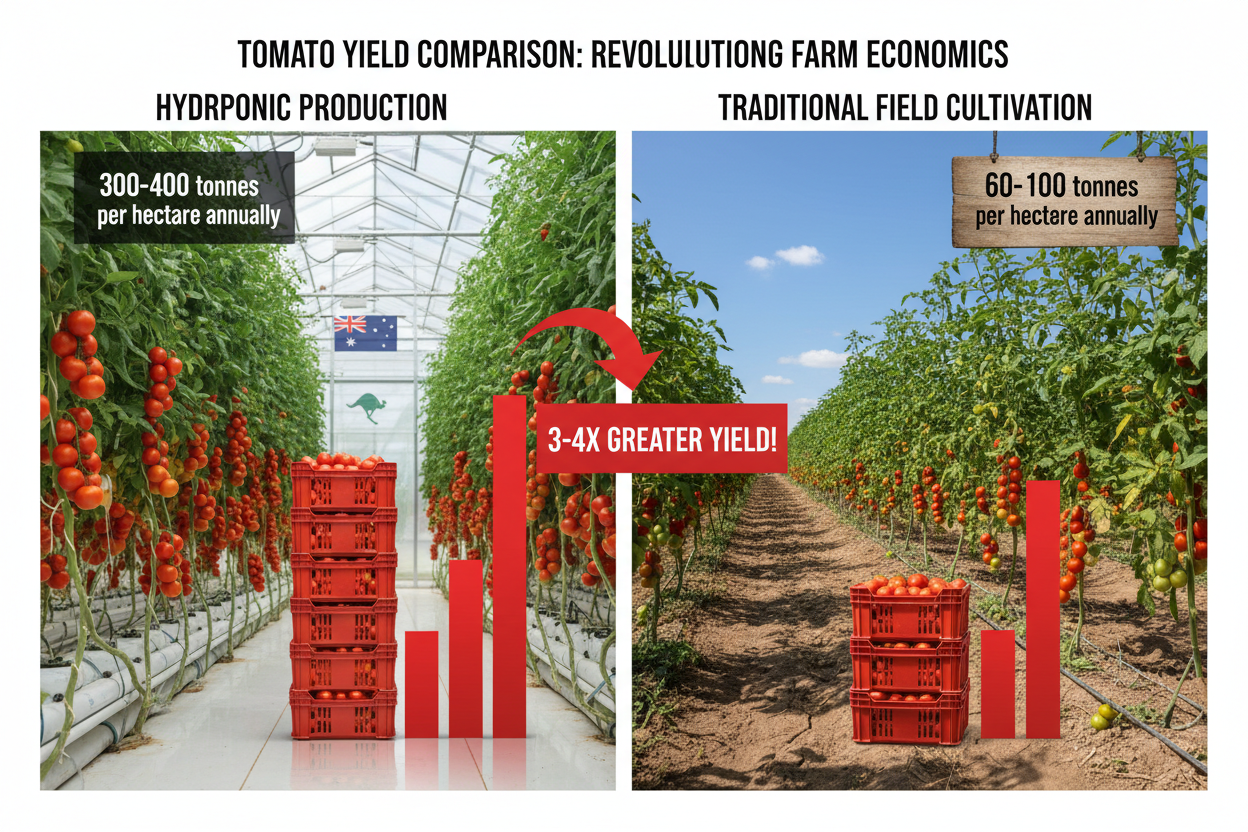
Hydroponic yields exceed soil production substantially. Tomatoes in optimized hydroponic systems produce 300 to 400 tonnes per hectare annually compared to 60 to 100 tonnes from field cultivation. This tripling or quadrupling of output from identical footprints revolutionizes farm economics. Hydro Experts hydro systems enable Australian growers to achieve these commercial yields through proven designs.
Year-round production in controlled environment hydroponics eliminates seasonal limitations. Growers harvest 12 months annually rather than single seasons. This continuity generates steady revenue streams and meets constant market demand. The hydroponics benefits for cash flow management prove substantial.
Crop uniformity improves dramatically in hydroponic production. Every plant receives identical nutrition, lighting, and environmental conditions. Soil variations causing uneven growth disappear. Harvests consist of consistent sizes and qualities meeting retail specifications. Rejects and waste decline increasing marketable yields.
Growth rates accelerate under optimized hydroponic conditions. Lettuce matures in 28 days versus 45 days in soil. Faster turns mean more crops annually from the same infrastructure. The time compression multiplies annual production beyond simple yield-per-crop improvements. Hydro Experts hydro systems incorporate design elements maximizing growth velocity.
Pest and disease pressures reduce significantly in soilless systems. Many common pathogens inhabit soil infecting plants through root contact. Hydroponic growing eliminates soil-borne diseases like fusarium, pythium, and verticillium wilt. While hydroponic-specific diseases exist, the overall disease pressure drops reducing crop losses and chemical applications.
4. Environmental Control and Growing Season Extension
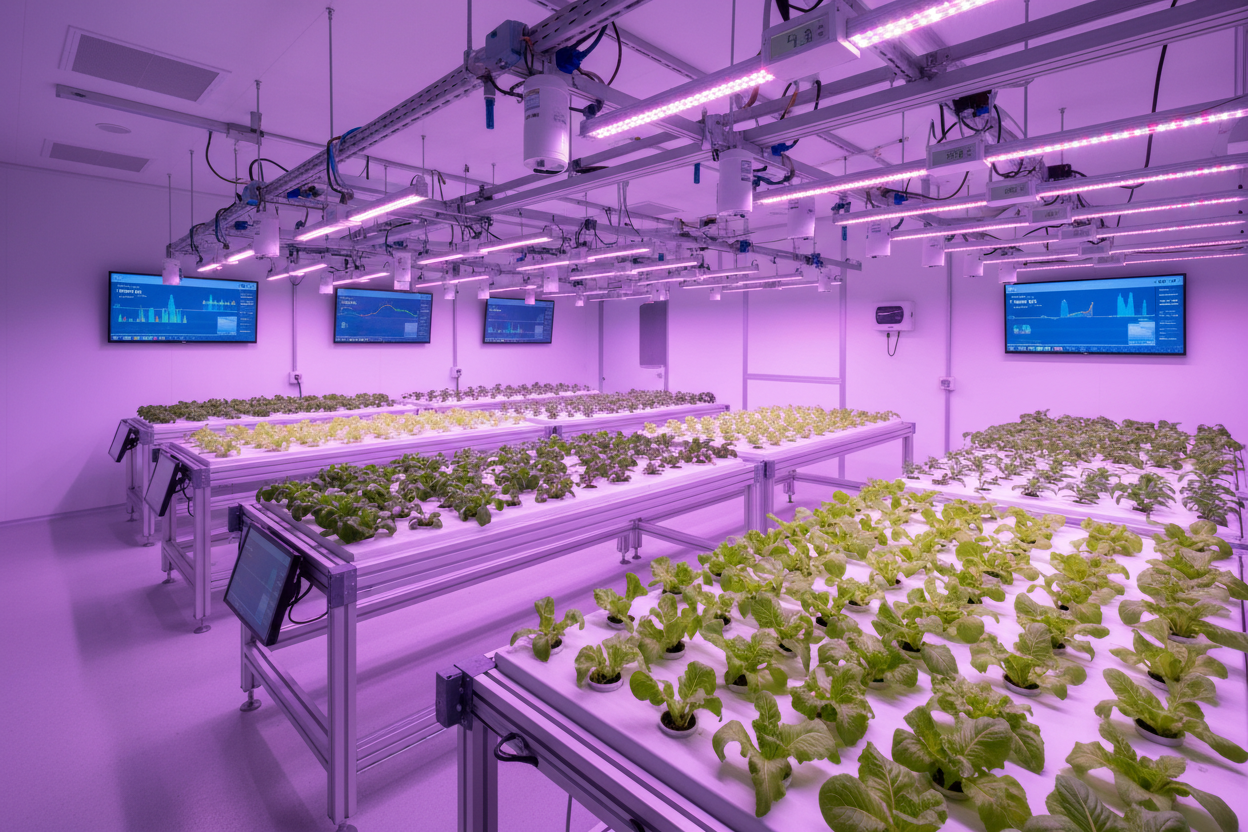
Climate control in hydroponic facilities maintains ideal growing conditions regardless of external weather. Temperature, humidity, light intensity, and photoperiod adjust to plant requirements. This precision eliminates weather-related crop failures from frost, heat waves, storms, or unseasonal conditions plaguing outdoor growers.
Light supplementation or replacement using LEDs provides perfect spectrums for photosynthesis. Growers tune light recipes to crop species and growth stages. Red and blue wavelengths promote vegetative growth while full-spectrum lighting improves fruiting. The lighting control represents hydroponics benefits impossible outdoors where sun dictates illumination.
CO2 enrichment in sealed hydroponic environments boosts photosynthesis rates. Atmospheric CO2 levels around 400 ppm limit plant growth. Enrichment to 1000 to 1500 ppm increases yields by 20 to 30 percent. Outdoor growing cannot capture this advantage as CO2 dissipates instantly. Hydro Experts hydro systems integrate CO2 distribution for growers seeking maximum production.
Humidity management prevents fungal diseases while optimizing transpiration. Excess humidity encourages powdery mildew and botrytis. Insufficient humidity stresses plants and slows growth. Precise control through dehumidification and air circulation maintains ideal ranges. Soil farmers accept ambient humidity with limited intervention capacity.
Temperature regulation within narrow bands suits crop preferences. Cool-season crops like lettuce thrive at 18 to 22 degrees Celsius. Warm-season crops like tomatoes prefer 22 to 26 degrees. Climate-controlled hydroponics grows year-round by adjusting setpoints. Soil cultivation restricts crops to seasons matching their temperature requirements.
5. Elimination of Soil-Related Challenges
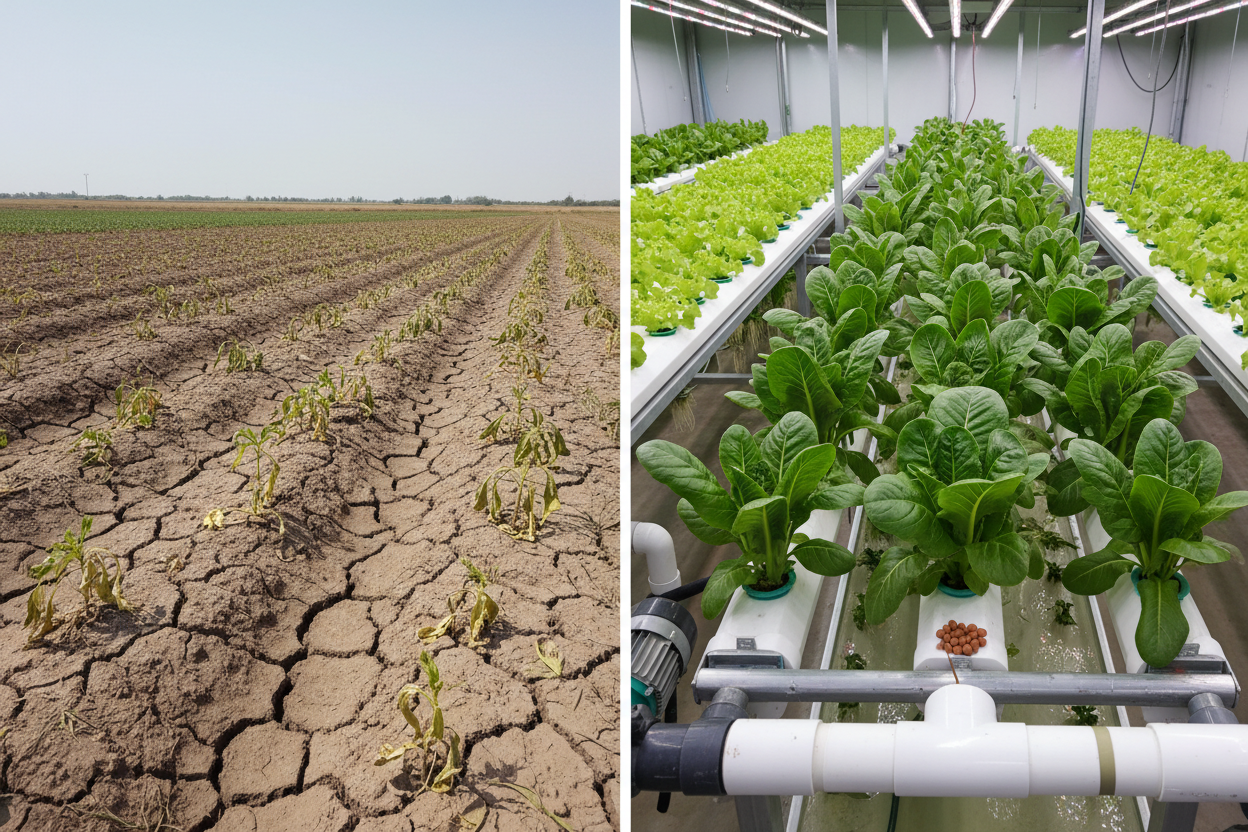
Soil quality varies dramatically across regions and even within fields. Nutrient deficiencies, pH imbalances, heavy metal contamination, and poor structure limit plant growth. Hydroponic systems bypass these issues entirely using inert media and precise nutrient formulations. The hydroponics benefits from substrate independence prove liberating.
Soil degradation from intensive farming reduces productivity over time. Compaction, erosion, and organic matter depletion require expensive remediation. Hydroponic media like expanded clay or coconut coir maintain consistent properties through multiple crops. Simple cleaning or replacement restores full functionality. Hydro Experts hydro systems use proven media suited to Australian conditions.
Soil testing and amendment cycles delay planting while waiting for pH adjustments or nutrient applications to take effect. Hydroponics allows instant changes to nutrient solutions. Deficiency symptoms correct within hours of solution adjustment. This responsiveness prevents extended periods of suboptimal growth.
Organic certification challenges for soil farms include three-year transition periods without synthetic inputs. Hydroponic operations using approved organic nutrients and pest controls gain certification faster. The controlled environment facilitates organic production by reducing pest pressures requiring chemical intervention.
Heavy machinery requirements for soil cultivation include tractors, plows, and harvesters representing major capital investments. Hydroponic operations use simpler equipment like pumps, timers, and harvesting tools. The reduced mechanization lowers startup costs and ongoing maintenance expenses particularly for small to medium operations.
6. Labor Efficiency and Ergonomics
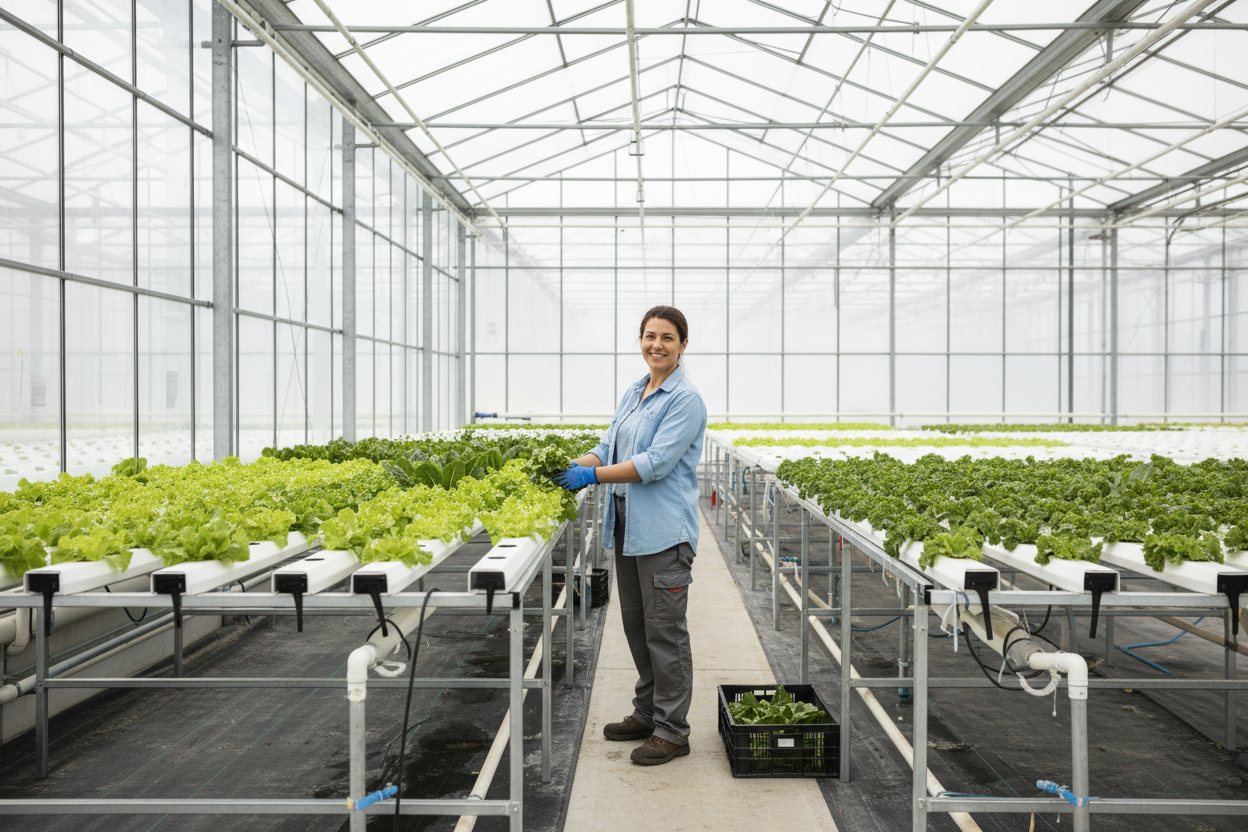
Ergonomic advantages of hydroponic systems reduce worker strain. Elevated growing channels position plants at waist height eliminating bending and stooping. Workers harvest comfortably, increasing productivity and reducing injury rates. Soil cultivation forces workers to ground level creating back problems and fatigue.
Weed elimination in soilless systems removes tedious hand weeding or herbicide applications. This labor savings alone justifies hydroponics for high-value crops where weeding constitutes a major expense. The hydroponics benefits extend to cleaner work environments without mud and soil tracking through facilities.
Automation integration proceeds more easily in hydroponic operations. Nutrient dosing, pH adjustment, irrigation timing, and climate control operate automatically. Soil farms automate irrigation but other aspects require manual intervention. The systematic nature of hydroponic production suits robotic assistance from planting through harvest.
Training requirements for hydroponic staff differ from traditional agriculture. While specific knowledge about nutrient management and system operation becomes necessary, the learning curve proves manageable. Many growers find training hydroponic staff easier than developing experienced soil farmers. Hydro Experts hydro systems come with comprehensive operation training.
Seasonal labor fluctuations plaguing soil farms diminish with year-round hydroponic production. Steady cropping requires consistent staffing without spring planting or fall harvest surges. This stability improves workforce quality as skilled employees remain year-round rather than seeking alternative employment during off-seasons.
7. Sustainability and Resource Conservation
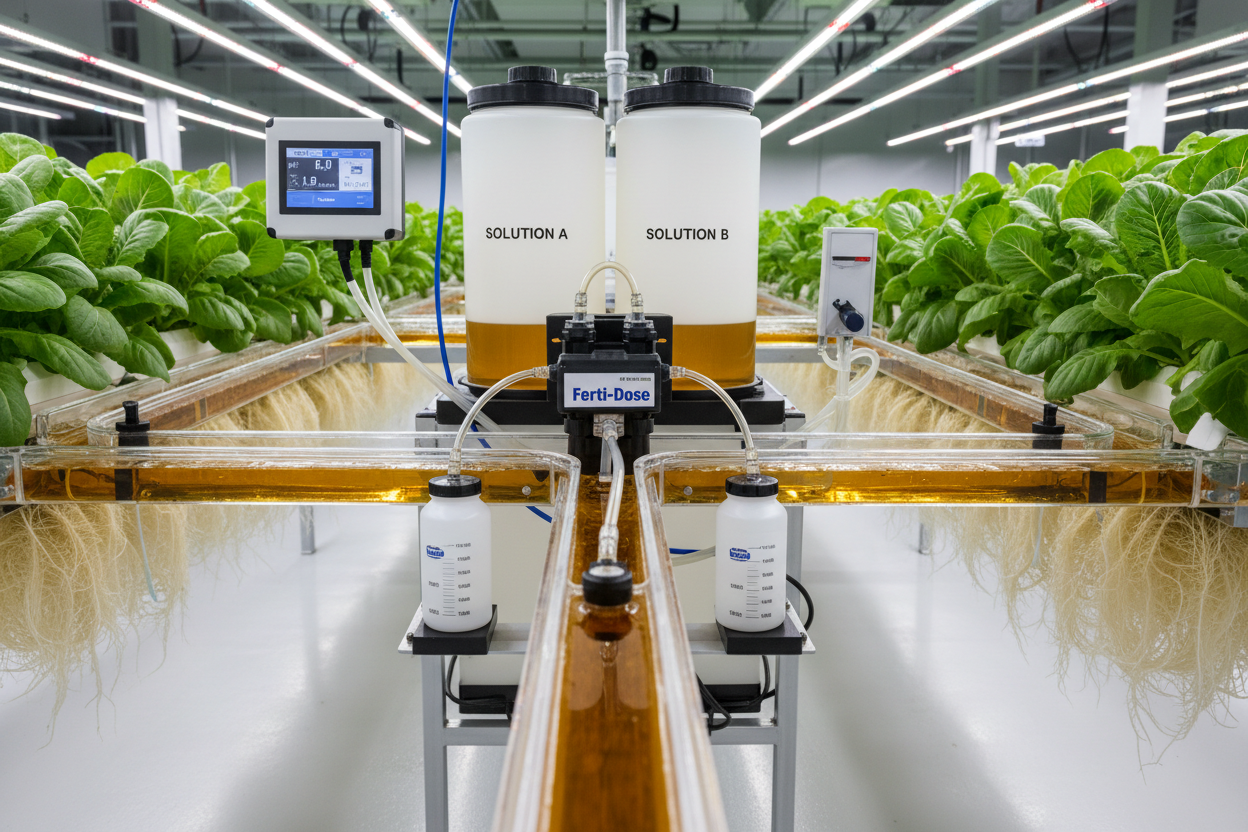
Chemical fertilizer efficiency improves dramatically in hydroponics. Precision application delivers exactly what plants need when needed. Soil application loses 40 to 60 percent of applied nutrients to leaching, volatilization, and fixation. Hydroponic recirculating systems approach 95 percent utilization. The reduced fertilizer consumption lowers costs and environmental impact.
Pesticide use drops in protected hydroponic environments. Screening prevents pest entry. Biological controls work effectively in enclosed spaces. Integrated pest management achieves results requiring heavy chemical applications in field settings. The hydroponics benefits for reduced pesticide reliance appeal to health-conscious consumers and environmentally aware growers.
Energy consumption for lighting and climate control represents hydroponics' main environmental challenge. However, renewable energy integration through solar panels offsets grid dependence. LED technology reduces lighting energy by 40 percent compared to high-pressure sodium lamps. Efficient HVAC systems and heat recovery minimize climate control loads. Hydro Experts hydro systems incorporate energy-efficient components.
Transportation emissions decline when hydroponic farms are located near urban markets. Produce travels kilometers instead of hundreds of kilometers reducing fuel consumption and spoilage. The freshness advantage from same-day harvest to shelf generates premium pricing offsetting higher production costs.
Organic waste from hydroponic operations remains minimal. Plant material goes to composting. Growing media lasts multiple crops before replacement. Nutrient solutions concentrate over time and require periodic dumping but volumes remain small. The waste stream compares favorably to soil farming's plastic mulch, pesticide containers, and organic waste.
8. Economic Performance Factors
Initial investment for hydroponic systems exceeds soil farming startup costs. Basic NFT systems cost $15,000 to $30,000 per 100 square meters. DWC installations run $20,000 to $40,000 for similar areas. These figures exclude climate control infrastructure adding $50,000 to $200,000 depending on facility size. Hydro Experts hydro systems provide turnkey solutions with transparent pricing.
Operating costs include electricity, nutrients, growing media, and labor. Electricity dominates expenses particularly for lighting and climate control. Monthly costs reach $2,000 to $5,000 per 100 square meters for fully controlled environments. Greenhouse hydroponic operations using natural light reduce electricity substantially.
Revenue potential from hydroponic production justifies investment. Premium prices for pesticide-free local produce generate $150,000 to $300,000 annual revenue per 100 square meters growing leafy greens. Tomato and capsicum operations achieve similar revenues with different cost structures. Payback periods run 2 to 5 years for well-managed commercial operations.
Market access improves for hydroponic growers. Restaurants, retailers, and consumers pay premiums for fresh, clean produce. Marketing emphasizes local, sustainable, pesticide-free attributes. The storytelling around hydroponic production resonates with target demographics willing to pay for perceived quality and ethics.
Scalability advantages allow growers to start small and expand. A 50 square meter system tests methods and markets. Successful operations add modules systematically. This incremental approach manages risk better than large initial commitments. Hydro Experts hydro systems use modular designs supporting phased expansion.
9. Technology Integration and Innovation
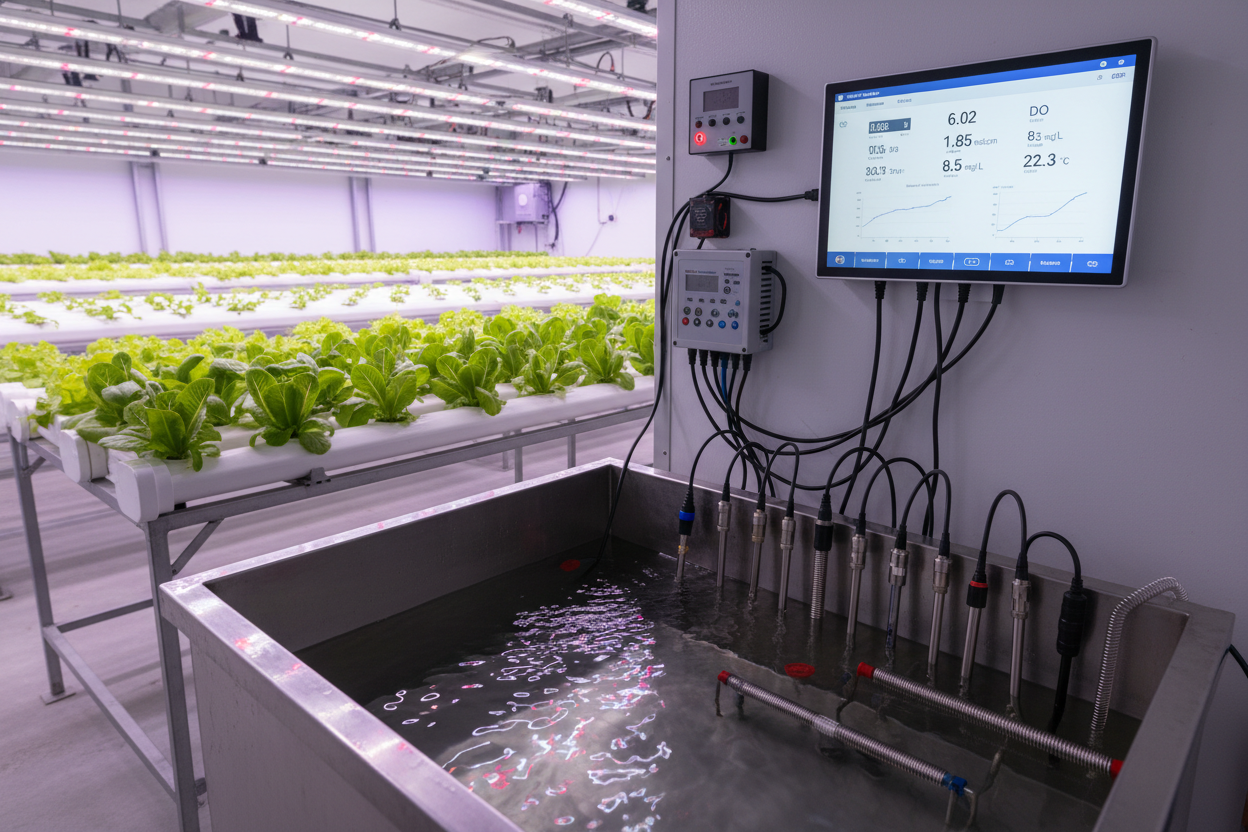
Sensors monitor every aspect of hydroponic systems. pH probes, EC meters, dissolved oxygen sensors, and temperature monitors feed data to controllers. This instrumentation enables precision management impossible in soil farming. Real-time adjustments optimize growing conditions continuously. Modern Hydro Experts hydro systems integrate sensor packages.
Data logging tracks system performance over time. Growers analyze trends identifying improvement opportunities. Yield per crop, nutrient consumption, disease incidents, and other metrics guide management decisions. The data-driven approach replaces intuition with evidence improving outcomes consistently.
Remote monitoring through cloud platforms allows system oversight from anywhere. Growers check temperatures, nutrient levels, and camera feeds via smartphones. Alerts notify of problems requiring attention. This connectivity enables vacation travel and multi-site management previously impossible.
Artificial intelligence applications emerge in commercial hydroponics. Image recognition identifies pest and disease symptoms earlier than human observation. Machine learning optimizes nutrient recipes and climate settings based on historical data. These technologies multiply expert knowledge across many farms raising industry performance.
Blockchain integration for supply chain transparency appeals to premium markets. Consumers scan QR codes viewing complete growing history including nutrient inputs, harvest dates, and handling. This transparency builds trust and commands price premiums. Hydroponic operations adopt such technologies more readily than traditional farms.
FAQs
Yes. Plants absorb the same mineral nutrients in water as they do in soil. Controlled feeding often reduces deficiencies.
Yes. Recirculating systems can cut water use by up to 90 percent compared to field farming.
Setup costs are higher than soil farming, especially with climate control. Strong yields and year-round harvests improve returns over time.
Growers must manage nutrients and system settings. Most suppliers, including Hydro Experts, provide training and support.
It improves fertilizer efficiency, reduces runoff, and lowers pesticide use. Energy use remains a key consideration.