

How to Control Temperature and Humidity in Your Grow Room?
By Hydro Experts | 7 January 2026
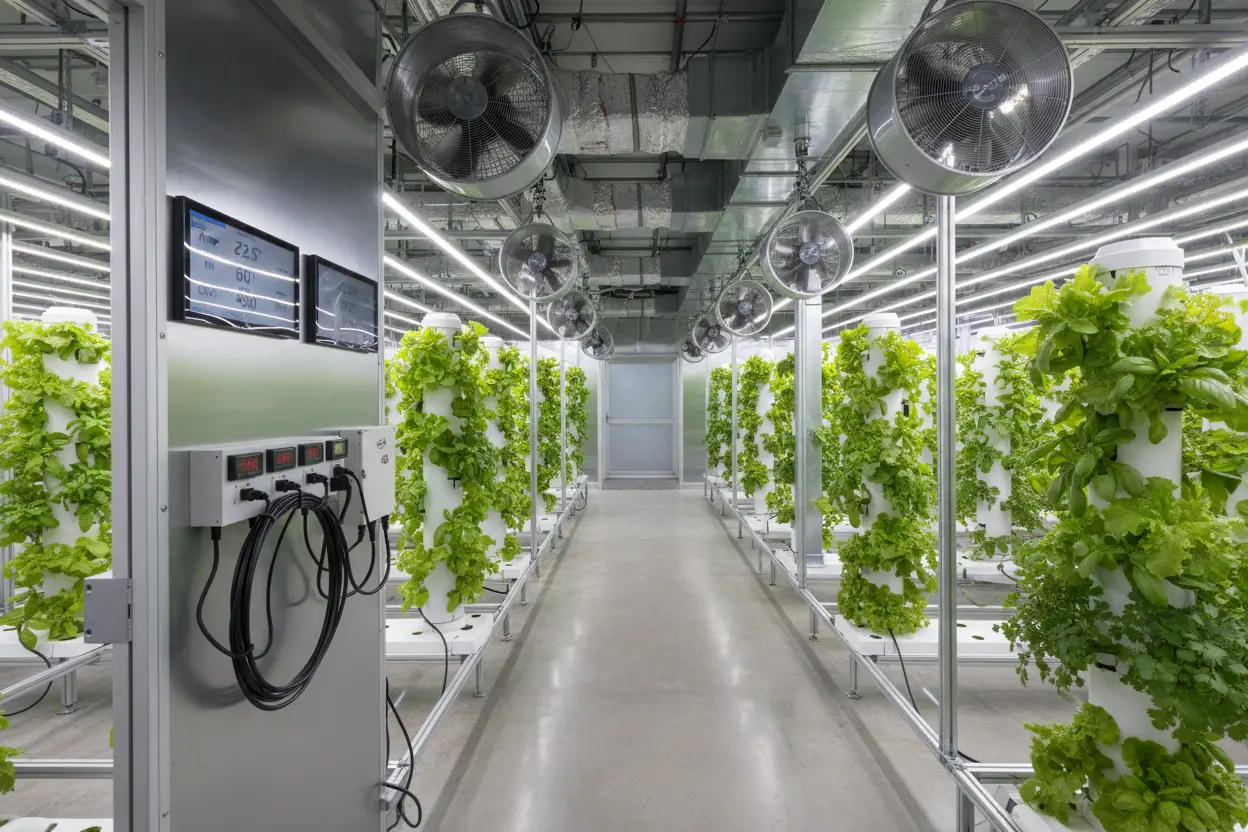
You build an indoor garden to grow plants all year. You control the light. You control the nutrients. You control the water. Most growers forget the most critical factor. The environment determines success or failure. Plants breathe. They need specific conditions to thrive. A poor climate stops growth. A poor climate invites pests. A poor climate creates mould.
Hydro Experts helps you master this balance. You need the right tools. You need the right knowledge. Controlling temperature and humidity protects your investment. This guide explains the process clearly. We focus on practical steps. You will learn to manage your space effectively.
Why Does Climate Control Matter?
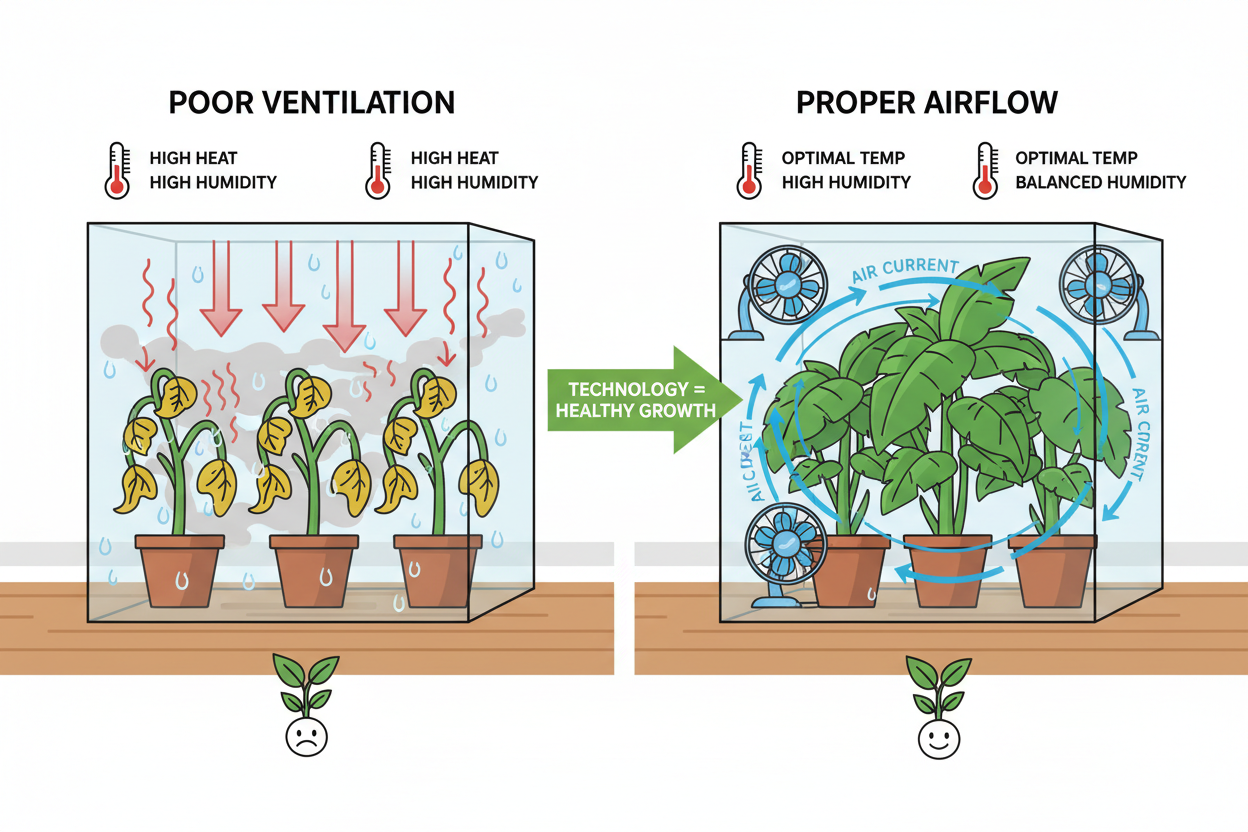
Plants evolved outdoors. Nature provides wind to strengthen stems. The sun provides heat. The atmosphere manages moisture. You bring plants inside a box. You remove the natural regulation. You must replace nature with technology.
Stagnant air suffocates plants. Leaves have tiny pores called stomata. These pores open to breathe. They release water vapour. Stagnant air traps this vapour around the leaf. The leaf stops breathing. Growth halts.
Heat builds up quickly. Grow lights emit energy. This energy becomes heat. A sealed room cooks your plants. High heat causes stress. Plants drink more water to cool down. They stop producing flowers or fruit. They focus only on survival.
High humidity destroys crops. Moisture settles on leaves. Mould spores land on the moisture. Bud rot spreads overnight. You lose the entire harvest. Low humidity also causes problems. Dry air sucks moisture from the leaves too fast. The plant wilts.
A proper grow room climate control system prevents these disasters. You maintain the "sweet spot." This spot allows maximum photosynthesis. Your plants grow big. Your yields increase.
How Airflow Works in Hydroponics?
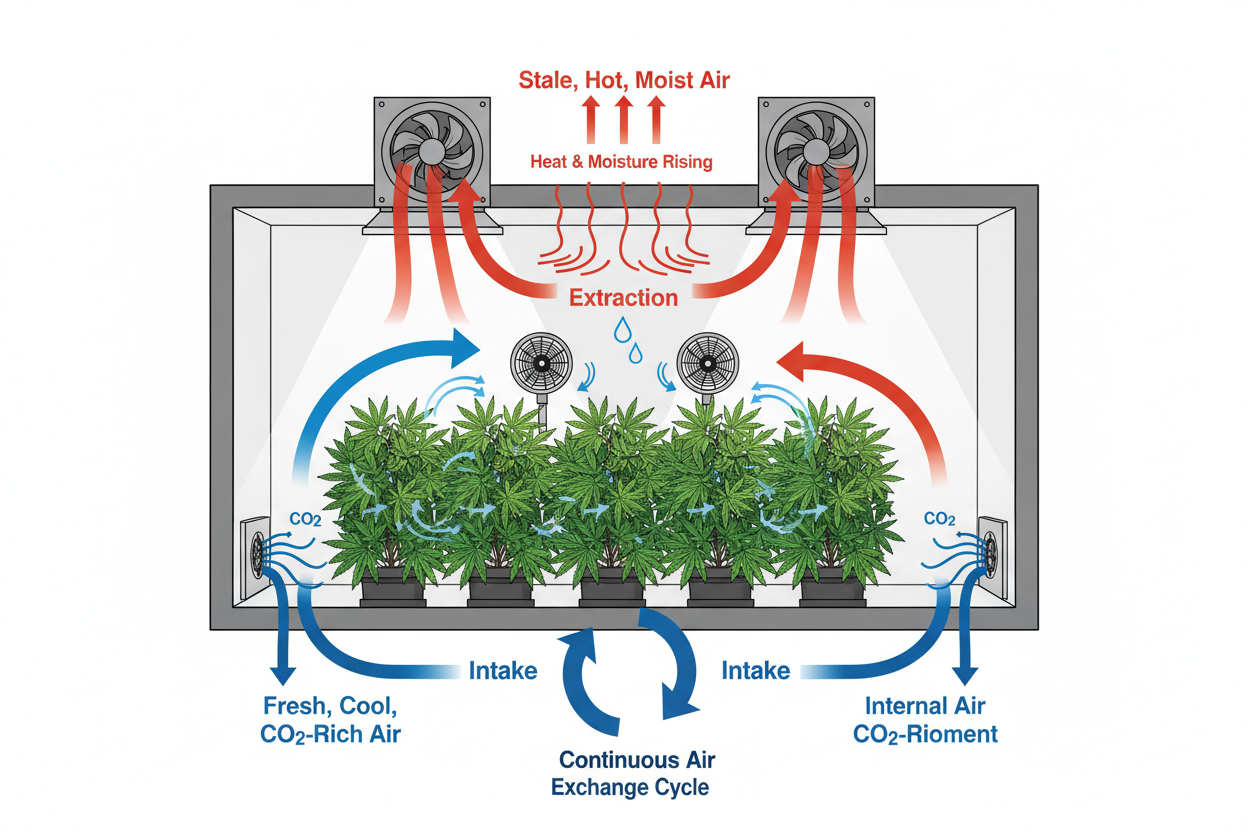
Air must move constantly. You need a complete exchange of air in the room. This process removes heat. This process removes moisture. This process replenishes CO2. Plants consume CO2 to grow. A sealed room runs out of CO2 in minutes. Fresh air brings new CO2. You must pull old air out. You must bring new air in. This cycle repeats continuously.
We call this "air exchange." You measure this in minutes. A standard setup changes all the air every one to three minutes. High-intensity lights require faster exchange. LED lights allow a slower exchange.
Your hydroponic ventilation setup defines the airflow. You place an exhaust fan at the top. Heat rises. The fan sucks the hot air out. You place an intake at the bottom. Cool air enters. This creates a natural flow.
The physics remains simple. Hot air leaves. Cool air enters. The temperature drops. The humidity stabilises.
What Fans You Need?
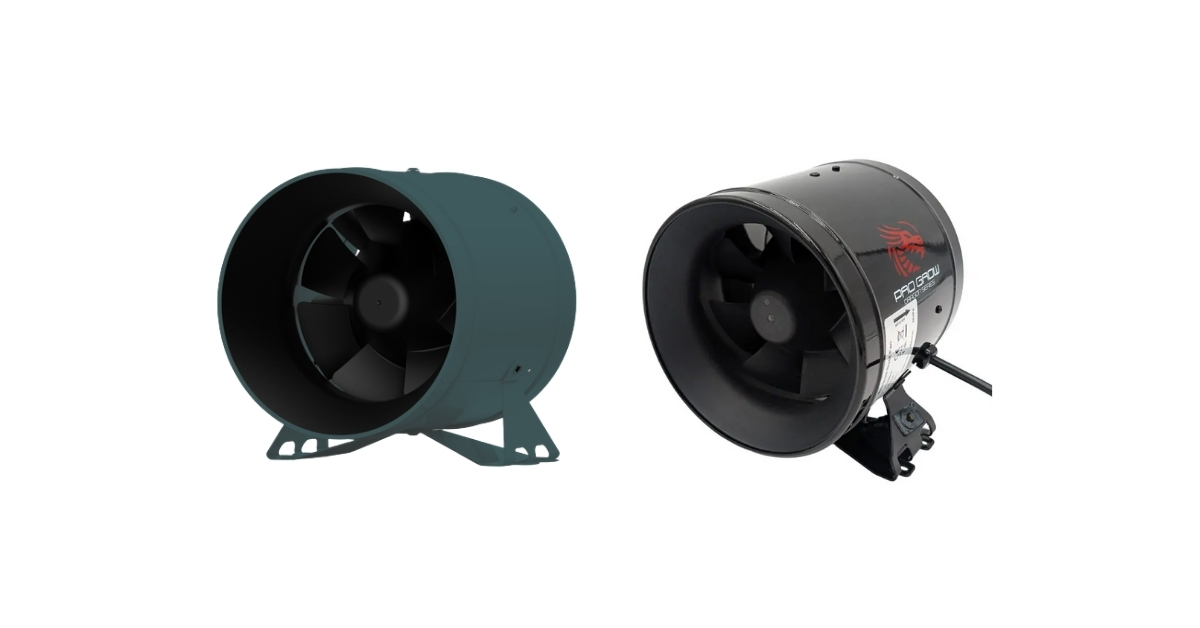
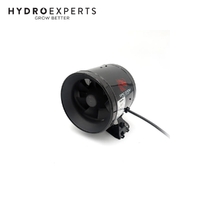
You need specific tools for the job. Standard house fans fail here. You need inline duct fans. These devices move air through detailed ducting. They handle static pressure. Static pressure resists airflow. Carbon filters add resistance. Long ducting adds resistance. Bends in the ducting add resistance. A weak fan stops working against this pressure. You need a fan with high power.
Hydro Experts' fan filters provide the solution. These fans use mixed-flow designs. They move large volumes of air quietly. They push through filters easily. Select the right size. Measure your room. Multiply length by width by height. This number gives you the cubic feet. You need a fan rating higher than this number. Aim for a fan rating three times your room volume. This accounts for the filter and ducting.
Do not buy a fan matching the exact room size. You will lack power. You will fail to cool the room. Oversizing the fan gives you control. You use a speed controller to slow the fan down. This runs quieter. This saves energy.
How Intake Vents Function?
Exhaust fans pull air out. This creates negative pressure. The walls suck in. New air must enter to replace the old air. Passive intake relies on holes in the tent or room. The vacuum pulls air through these holes. This works for small spaces.
Active intake uses a second fan. You push air into the room. This offers better control. You reduce the strain on the exhaust fan. You manage the temperature more precisely. Place the intake fan opposite the exhaust fan. Place the exhaust high. Place the intake low. This forces air to travel across the plants. The air picks up heat and moisture on the way up. The exhaust removes the waste air effectively.
Filter the intake air. Dust carries pests. Mould spores float in the air. A simple mesh filter stops bugs. A HEPA filter stops mould. Keep the intake clean. Your plants stay healthy.
Why Are Carbon Filters Essential?
Plants smell. Some plants smell strongly. You want to keep this odour inside the room. Neighbours should not smell your garden. Carbon filters scrub the air. The exhaust fan pushes or pulls air through the filter. The filter contains activated carbon. This material has millions of microscopic pores. The pores trap odour molecules.
The air exiting the duct smells like nothing. This keeps your hobby private. It prevents complaints. Using Hydro Experts fan filters together ensures compatibility. The fan must match the filter rating. A fan too strong sucks air too fast. The carbon needs time to grab the odour. A fan too weak fails to push air through.
Replace filters regularly. Humidity clogs the carbon. High humidity reduces the lifespan. Standard filters last one year. Heavy usage shortens this time. Monitor the smell. A faint odour means the filter needs replacement.
How Circulating Fans Help?
Inline fans exchange the air. You also need movement inside the room. Oscillating fans do this job. They mix the air.
Hot spots form under lights. Cold spots form in corners. Mixing the air equalises the temperature. Every plant gets the same condition.
Wind strengthens plants. The gentle breeze moves the stems. The plant responds by adding cellulose. The stems grow thick. Thick stems support heavy fruits.
Wind prevents mould. Mould hates moving air. Mould needs stagnant moisture to grow. A breeze keeps the leaf surface dry. Pests also dislike wind. Fungus gnats cannot fly in strong airflow. Do not point fans directly at plants. Wind burn occurs. The leaves curl like claws. They look dried out. Aim fans at the wall. Aim fans above the canopy. Let the air bounce around the room.
How to Manage Temperature?
Lights produce heat. This remains the biggest challenge. High-Intensity Discharge (HID) lights run hot. HPS bulbs reach extreme temperatures. LEDs run cooler but still produce heat.
Your ventilation system removes this heat. A thermostat helps. You set a temperature limit. The fan speeds up when the heat rises. The fan slows down when the room cools.
Insulation helps. A garage gets hot in summer. A basement stays cool. Insulate the walls of your grow room. This keeps outside weather away from your plants.
Air conditioning becomes necessary in hot climates. Sometimes ventilation fails to cool the room enough. An AC unit actively cools the air. You seal the room when using AC. You stop exchanging air. You recycle the air through the AC.
This sealed method requires adding CO2 tanks. The plants eat the available CO2 quickly. You must replace the gas. Sealed rooms offer total control. They cost more to build. They cost more to run.
How to Manage Humidity?
Plants act like humidifiers. They drink water from the roots. They release water into the air. A room full of plants raises humidity rapidly. Ventilation removes moisture. The outside air usually holds less water than the grow room air. Swapping the air dries the room.
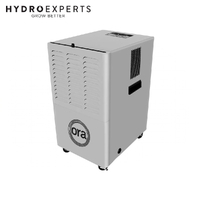
High humidity problems happen at night. The lights turn off. The temperature drops. Cool air holds less water than hot air. The relative humidity spikes. Water condenses on cool surfaces. You need a dehumidifier. This machine pulls water from the air. Place the unit inside the room. Connect a drain hose. You do not want to empty the tank daily.
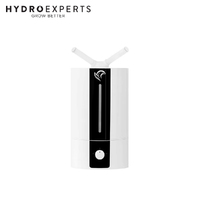
Humidifiers help young plants. Seedlings need high humidity. They lack roots. They drink through leaves. Dry air kills seedlings. A humidifier keeps the air moist during the early stages. Turn off the humidifier during flowering. Buds rot in damp air. You want dry conditions for harvest.
The Relationship Between Heat and Humidity
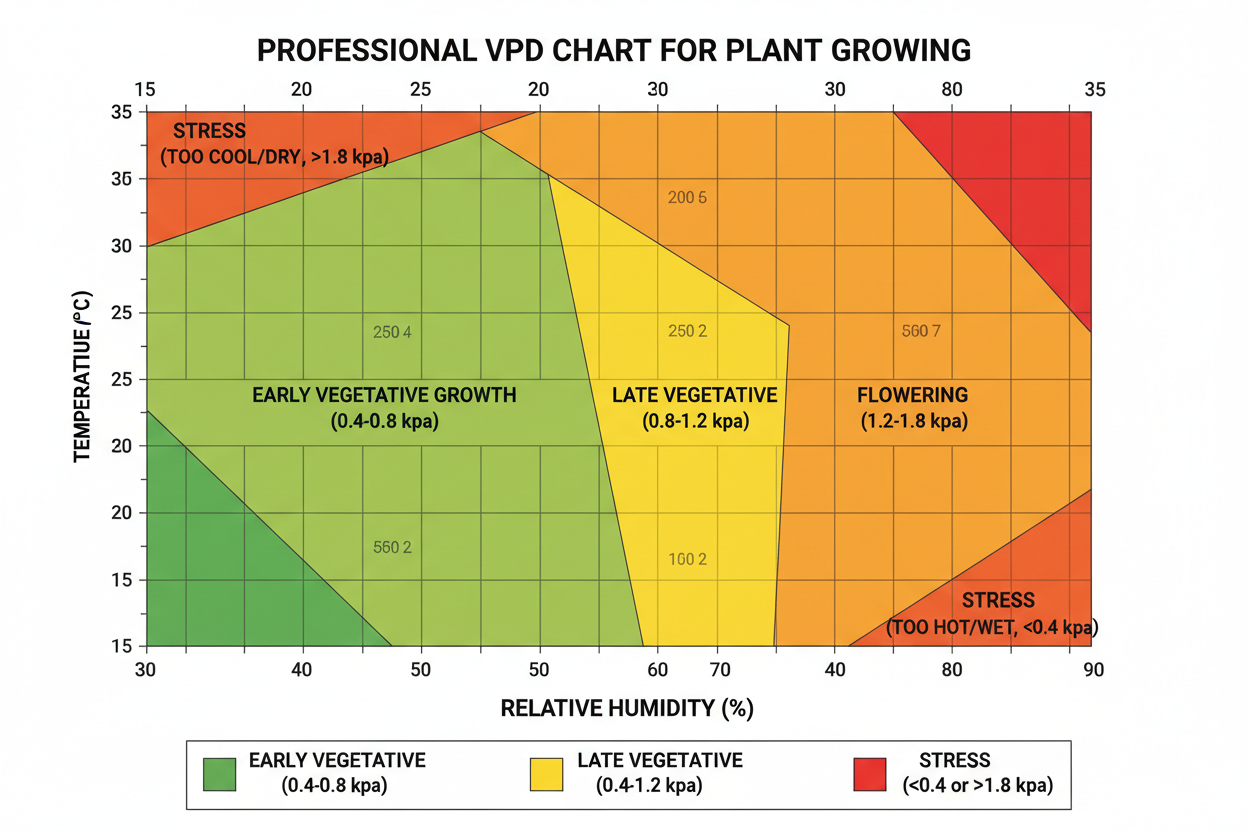
Temperature and humidity function together. We call this relationship VPD (Vapour Pressure Deficit). VPD measures the drying power of the air. Hot air needs higher humidity to keep plants happy. Cool air needs lower humidity.
A hot room with dry air stresses the plant. The plant loses water too fast. A cool room with wet air stops transpiration. The plant suffocates. You aim for a specific balance. Early growth likes warm and humid conditions. Flowering likes warm and dry conditions.
Consult a VPD chart. Find your temperature. Find your humidity. The chart tells you the safety zone. Stay in this zone. Your plants will thank you.
Automating the Environment
Manual control becomes a chore. You cannot watch the thermometer 24 hours a day. Controllers automate the work. Basic controllers manage fan speed. You set a target temperature. The controller adjusts the fan.
Advanced controllers manage everything. They turn on the heater. They turn on the dehumidifier. They dim the lights. They provide CO2 doses to the environment.
Hydro Experts stocks various controllers. Investing in automation saves time. This prevents mistakes. A controller never sleeps. A controller never forgets. Automation provides data.
You see history. You see what happened while you slept. You identify problems. You adjust settings for better results.
Understanding Ducting
Ducting connects the components. Use insulated ducting. This reduces noise. This prevents heat leaking into the room. Keep the duct running short and straight. Every bend reduces airflow. A ninety-degree bend reduces flow efficiently.
Hang ducting from the ceiling. Keep the floor clear. Use clamps to seal connections. Leaky ducts smell. Leaky ducts reduce efficiency. Check connections often. Vibrations loosen clamps. Tape serves as a temporary fix. Metal clamps provide permanent security.
Seasonal Adjustments
Winter changes the game. The intake air creates a freezing effect. Cold air shocks plants. Growth slows down. You might need a heater. Place an oil-filled radiator in the room. This provides safe heat. Do not use fans with exposed elements. They dry the air too much.
Slow down the exhaust fan in winter. Keep the heat inside. Watch the humidity closely. Cold walls create condensation. Summer brings heat waves. You run the lights at night. The night air offers cooler temperatures. You keep the lights off during the hot day. This simple switch saves your crop.
Common Mistakes to Avoid
New growers make errors. They buy small fans. They ignore the smell. They guess the humidity.
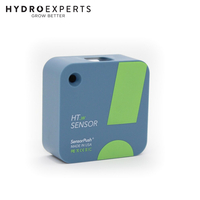
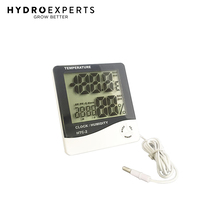
Do not guess. Buy a thermometer and a hygrometer. This cheap tool tells the truth. Place the sensor at plant height. The temperature at the ceiling differs from the canopy.
Do not vent into the same room. You must vent heat outside or into another room. Recirculating hot air creates an oven.
Do not turn fans off at night. Plants breathe at night. Humidity spikes at night. Keep the air moving 24/7. You slow the fan down but never stop the fan.
Clean your equipment. Dust covers fan blades. Dust clogs filters. Dirty equipment runs hot. Dirty equipment fails early. Wipe down surfaces between grows.
Preventive Maintenance
Check your equipment weekly. Listen to the fan. A grinding noise signals a problem. Check the ducting for holes. Look at your plants.
Leaves tell the story. Curling edges mean heat stress. Droopy leaves mean watering issues or humidity issues.
Replace bulbs. Old bulbs produce more heat and less light. Replace carbon filters annually. Do not wait for the smell. Change the filter on a schedule.
Conclusion
Growing involves balance. You balance nutrients. You balance light. You balance the air. Start with the basics. Get a good fan. Get a carbon filter. Monitor the numbers. Adjust as you go. Watch the plants. They react to changes.
Climate control creates the difference between a hobby and a professional result. You have the power to create the perfect day every day. Hydro Experts has all you need for your grows. Visit our website now for the best hydroponics solutions in Australia!
Upgrade Your Grow Room Today
Hydro Experts provides Australia's best hydroponics solutions - from high-performance fans and filters to smart controllers and complete ducting kits. Visit our website to explore products that will transform your indoor garden.
Shop Hydro Experts NowFrequently Asked Questions
Calculate the cubic feet of your tent by multiplying length × width × height. For example, a 4 × 4 × 7 ft tent equals 112 cubic feet. Your fan should move this volume about three times per minute to overcome carbon filter resistance. A fan rated around 350–400 CFM is ideal for this size.
Most carbon filters last 12–18 months, depending on usage and humidity. Humidity above 70% compresses the carbon and shortens lifespan. Replace the filter immediately if you notice odors escaping the grow room.
No. Ventilation should never be fully turned off while plants are present. Plants release moisture continuously, and humidity spikes when lights turn off. This can lead to mould and mildew. Use a fan speed controller to slow airflow at night while maintaining constant ventilation.
Vegetative stage:
Temperature: 75–80°F (24–27°C)
Humidity: 60–70%
Flowering stage:
Temperature: 72–78°F (22–26°C)
Humidity: 40–50%
Lower humidity during flowering helps prevent bud rot.
This is usually caused by an undersized exhaust fan or restricted airflow. Check for sharp bends or long duct runs that reduce efficiency. Ensure intake vents allow enough cool air into the room. If heat persists, upgrade to a more powerful fan or switch to air-cooled lighting.
Related Products
EXPERT'S CHOICE
Lumatek LED Grow Light ZEUS 600W PRO 3.1 - 600W | 3.1 umol/J | Dimmable | IP65