


DWC (Deep Water Culture): A Complete Guide for Australian Growers
By Hydro Experts | 7 October 2026
Here we exlain how deep water culture works, DWC vs RDWC, how to set up a DWC system, pH and EC targets and how to keep reservoirs cool in Australia. Shop DWC systems at Hydro Experts.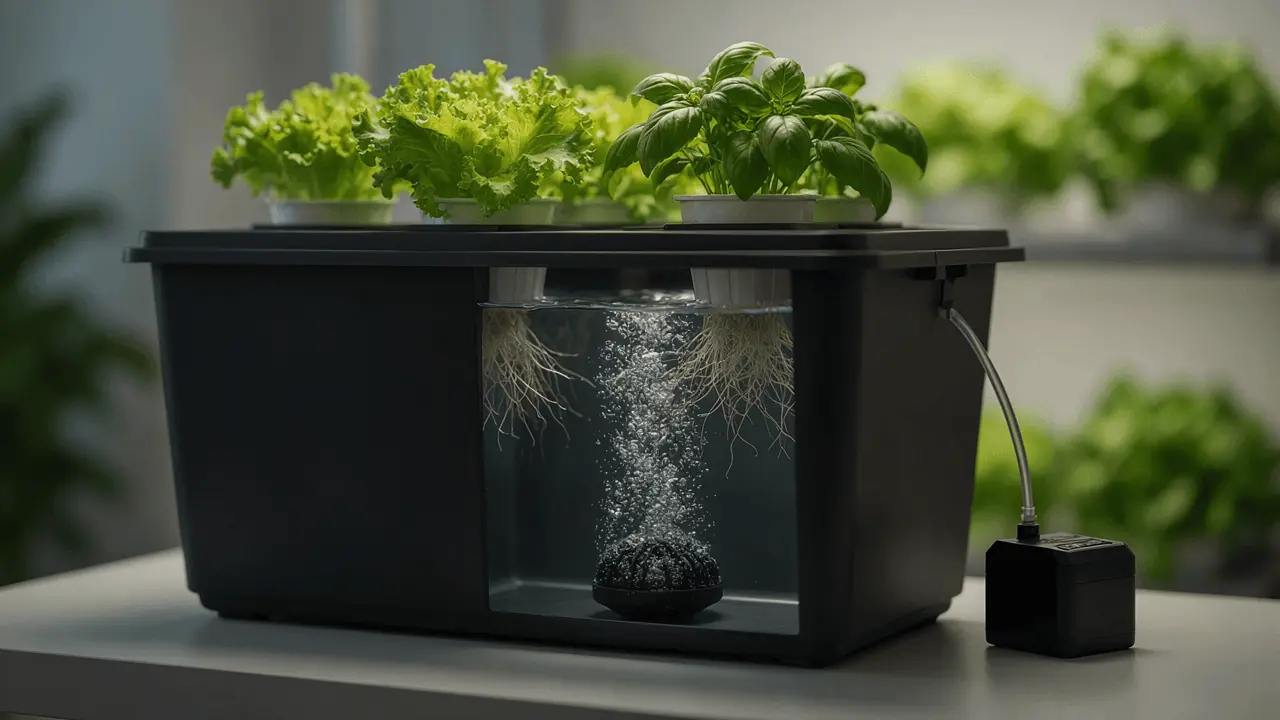
Deep water culture (DWC) is a hydroponic growing method that suspends plant roots in an oxygenated, nutrient-rich water solution. Instead of searching through soil for water and minerals, plants receive these essentials directly through their roots.
DWC appeals to home gardeners, greenhouse operators and commercial growers because the basic setup is relatively simple. With the right reservoir, air pump, nutrients and environmental controls, growers can manage the root zone and monitor plant requirements throughout the growing cycle.
Australia's climate adds a few considerations. Hot summers can warm nutrient reservoirs, increasing the challenge of maintaining adequate dissolved oxygen. Successful DWC growing therefore depends on more than adding water and nutrients. You need to manage temperature, pH, nutrient concentration and aeration together.
Quick Insights: DWC (Deep Water Culture) Hydroponics
Deep Water Culture (DWC) is a hydroponic system where plant roots sit in an oxygenated, nutrient-rich water solution. It is suitable for home and commercial growers, but requires consistent aeration and regular monitoring.
- How it works: Plant roots grow directly into nutrient solution, while an air pump and air stone supply oxygen.
- DWC vs RDWC: Traditional DWC uses individual reservoirs or buckets, while RDWC circulates nutrient solution between connected plant sites.
- What you can grow: Lettuce, basil, spinach, Asian greens, tomatoes, capsicums and cucumbers can grow in DWC with suitable conditions.
- Key measurements: Monitor pH, EC and water temperature. Many hydroponic crops use a pH range of approximately 5.5–6.5, depending on the crop.
- Australian climate considerations: Keep reservoirs out of direct sunlight, monitor water temperature and consider a chiller when conditions become too warm. Hydro Experts recommends 18–21°C as a water-temperature reference.
- Daily maintenance: Check aeration, water levels, temperature, leaks and plant condition. Measure pH and EC regularly and adjust nutrients based on actual readings.
- Common problems: Poor aeration, warm water, algae, unstable pH, nutrient imbalance and pump failure can affect plant health.
- Best for beginners: A simple single-bucket DWC setup is generally easier to manage, while RDWC is better suited to growers who need a connected system and can handle the additional equipment.
What Is Deep Water Culture?
Deep water culture is a type of hydroponics in which plants sit in net pots or purpose-built holders above a reservoir containing nutrient solution. Their roots extend down into the water, where they absorb the minerals required for growth.
An air pump pushes air through tubing and an air stone, creating bubbles that help oxygenate the solution. This oxygen supply is essential because roots need oxygen for respiration and healthy function.
A basic DWC system contains:
- Reservoir: Holds water and dissolved nutrients.
- Net pots: Support plants while allowing roots to grow through the openings. Browse mesh pots and cups.
- Growing medium: Materials such as clay pebbles or suitable starter plugs help support young plants.
- Air pump and air stone: Supply oxygen to the root zone. See air pumps and stones.
- Hydroponic nutrients: Provide essential macro- and micronutrients. Shop hydro and DWC nutrients.
- pH and EC meters: Help monitor acidity and nutrient concentration. Browse nutrient meters and pH testing equipment.
Hydro Experts offers a range of DWC hydroponic systems, from single-pot kits to multi-pot setups.
Comparing methods? Read Kratky vs DWC: aeration vs no aeration and learn how oxygen and water flow affect hydroponic growth.
DWC vs RDWC: What's the Difference?
DWC and recirculating deep water culture (RDWC) use the same basic principle: plant roots access an oxygenated nutrient solution. The main difference is how that solution moves through the system.
Traditional DWC
Each plant or group of plants grows in a reservoir or bucket. An air pump oxygenates the solution, and the water generally stays in that container until it is topped up or replaced.
RDWC
Multiple plant sites connect through plumbing to circulate nutrient solution between containers and a central reservoir or control point. This can help maintain more consistent conditions across larger systems, but it introduces additional pumps, pipework and potential leak points.
For beginners growing a few plants, a single-bucket DWC kit is often the easiest starting point. Larger gardens may benefit from RDWC when consistent nutrient management and easier system-wide control justify the extra complexity.
Hydro Experts stocks both traditional DWC equipment and Current Culture H2O systems, which use a recirculating approach.
What Can You Grow With DWC?
DWC can support many leafy greens, herbs and fruiting plants, provided the system meets their root-space, nutrient and environmental requirements.
Common options include:
- Lettuce: A practical choice for beginners because it grows relatively quickly and generally has modest nutrient requirements.
- Basil and other herbs: Suitable for compact systems with adequate light and airflow.
- Spinach and Asian greens: Can grow well when temperature and nutrient conditions suit the variety.
- Tomatoes and capsicums: Need more root space, structural support and careful management as plants mature.
- Cucumbers: Can be grown in suitable systems, but require space, support and attention to their water and nutrient demands.
Choose crops according to the space, light, reservoir size and environmental conditions you can maintain. A small countertop setup will not provide the same growing capacity as a greenhouse system designed for large fruiting plants.
How to Set Up a DWC System
1. Choose Your System Size
Start with the number and type of plants you want to grow. A single-bucket system is useful for learning the basics, while a multi-pot system can accommodate a larger garden.
Consider reservoir capacity, the mature size of the plants, access for maintenance and the location of your equipment. Place the system on a stable, level surface where spills can be managed safely.
Explore DWC systems at Hydro Experts to compare available configurations.
2. Install the Aeration Equipment
Connect the air pump to the air stone using suitable airline tubing. Position the air stone in the reservoir according to the equipment instructions and confirm that the pump supplies sufficient airflow for the water volume.
Run the aeration system before adding plants. Check that bubbles reach the intended areas and that the pump operates reliably.
Continuous aeration is important in traditional DWC. If the air pump stops, dissolved oxygen can fall, particularly in warm water or heavily planted systems. Check the pump and tubing regularly, and consider a suitable backup plan where a failure could threaten the crop.
3. Prepare the Water and Nutrients
Fill the reservoir with suitable water and add a complete hydroponic nutrient solution according to the manufacturer's directions.
Hydroponic nutrients provide minerals that plants would otherwise obtain from soil. Use a formula designed for hydroponics and appropriate for the crop and growth stage.
Do not assume that a stronger solution produces faster growth. Excessive nutrient concentration can make water uptake more difficult and damage roots. Follow the product's mixing instructions, then measure the solution rather than relying on estimates.
Hydro Experts stocks a range of hydroponic and DWC nutrients.
4. Check pH and EC
Two important measurements help you manage a DWC reservoir:
- pH: Indicates how acidic or alkaline the solution is. It affects how readily plants can absorb different nutrients.
- EC (electrical conductivity): Estimates the concentration of dissolved salts, helping you assess nutrient strength.
Many hydroponic crops are grown within a pH range around 5.5 to 6.5, but the ideal range depends on the crop and nutrient programme. Hydro Experts' crop reference lists an average of approximately 6.0 to 6.5 for hydroponic applications, with individual crops varying. Check the nominal EC and pH guide for crop-specific starting points.
EC requirements also vary. Seedlings and mature fruiting plants may need different nutrient concentrations, so use crop-specific guidance rather than one target for every plant.
Calibrate meters as recommended by their manufacturers, measure consistently and make adjustments gradually.
Need help with your meters? See our guides to pH and EC pen calibration and maintenance, EC for hydroponics and pH Up and Down products.
5. Add Plants and Monitor Root Development
Place seedlings in suitable net pots with a compatible growing medium. Make sure they are supported securely and can develop roots into the nutrient solution.
Follow the instructions for your system when setting the initial water level. Young plants may need moisture close to the starter plug while their roots establish. As roots develop, maintain the water level specified for your setup and ensure the root zone remains adequately oxygenated.
Inspect roots regularly. Healthy roots should generally appear firm and free from slimy build-up or unpleasant odours. Brown roots can have several causes, including staining from nutrients, so assess root texture, smell, water temperature and plant condition together.
Managing DWC in the Australian Climate
Temperature management deserves particular attention in Australia. A reservoir sitting in a hot greenhouse, shed or sun-exposed space can heat up faster than expected.
Keep the Reservoir Cool
Hydro Experts recommends water chillers for maintaining nutrient solution temperatures around 18 to 21°C. This can be a useful reference for growers dealing with warm conditions, although the ideal temperature depends on the crop and system.
Practical ways to limit heat gain include:
- Keep reservoirs out of direct sunlight.
- Use opaque containers to reduce light entering the nutrient solution.
- Improve airflow around the growing area.
- Monitor water temperature during the hottest part of the day with a thermometer.
- Consider a suitable water chiller if passive cooling is insufficient.
Avoid relying on occasional ice additions as your main temperature-control method. They can cause sudden temperature fluctuations and do not provide reliable long-term control.
Dive deeper with understanding the temperature challenge in Australian hydroponics and the benefits of water chillers for hydroponics.
Control Light and Humidity
Plants need sufficient light, but excessive heat and poor airflow can create additional stress. Match lighting to the crop and growing stage, and monitor the temperature around the canopy.
Humidity also affects how quickly plants lose water through transpiration. Poor airflow and persistently high humidity can increase disease pressure, particularly in dense canopies. Provide suitable ventilation and avoid crowding plants beyond the system's capacity.
For more on managing the grow space, see our grow room and hydroponic ventilation basics.
Prepare for Power Interruptions
Air pumps and, in RDWC systems, water pumps rely on electricity. During a power outage, oxygenation or circulation may stop.
Inspect electrical equipment regularly, keep connections protected from water and use only equipment rated for the installation environment. Where outages are a realistic risk, consider a suitable backup air supply and a plan for monitoring the reservoir.
DWC Maintenance: A Simple Routine
Regular checks help you catch changes before plants show obvious stress.
Daily
- Check that the air pump is running and bubbling normally.
- Look for leaks, unusual smells or sudden changes in plant condition.
- Monitor water level and temperature.
Every few days
- Measure pH and EC, adjusting according to crop needs.
- Check for blocked airline tubing or uneven aeration.
- Inspect roots and remove dead plant material where appropriate.
When required by your crop and system
- Top up with suitable water or nutrient solution according to your monitoring results.
- Replace the reservoir solution based on nutrient instructions, water quality and system conditions.
- Clean the reservoir and components between crops, using products and procedures suitable for hydroponic equipment.
Do not add more nutrients automatically every time you top up. Water and dissolved minerals are absorbed at different rates, so measure the solution and adjust based on actual conditions.
Common DWC Problems and How to Avoid Them
- Wilting despite wet roots: Check root health, water temperature, aeration and nutrient concentration. Roots submerged in poorly oxygenated water can struggle to function.
- Unstable pH: Changes can result from nutrient uptake, water chemistry, microbial activity or the composition of the nutrient solution. Test regularly, calibrate your meter and make gradual corrections.
- Algae in the reservoir: Light entering the nutrient solution encourages algae growth. Use opaque reservoirs, cover openings and prevent light from reaching exposed water.
- Nutrient burn or deficiency symptoms: Similar symptoms can have different causes. Check pH, EC, water quality and root health before increasing or decreasing nutrient strength.
- Leaks in an RDWC system: Inspect connections, seals and bulkheads, particularly after setup or maintenance. Test the system for leaks before introducing plants.
Setting up a tank? Read our tips on preparing your nutrient tank and how to join pipes for your hydroponic system.
Is DWC Right for Your Garden?
DWC can be a good option if you want direct control over water, nutrients and root-zone conditions. It works for small home gardens and can be scaled into more complex systems, but it requires regular monitoring and dependable aeration.
For a first setup, start with a manageable number of plants, learn how your chosen crop responds, and record pH, EC and water temperature. Those records will help you identify patterns and make informed adjustments.
If you are planning a larger garden, compare the equipment, plumbing and maintenance needs of traditional DWC and RDWC before investing. Browse the Hydro Experts DWC range or explore hydroponic systems and accessories to find equipment suited to your growing space.
FAQs
DWC stands for deep water culture. It is a hydroponic method where plant roots grow into an oxygenated nutrient solution rather than relying on soil for water and minerals.
Traditional DWC systems generally need continuous aeration to maintain oxygen levels around submerged roots. Check your system's instructions and have a plan for air pump failure, particularly during hot weather.
The appropriate temperature depends on the crop and system. Hydro Experts recommends water chillers for maintaining nutrient solution temperatures around 18 to 21°C. Monitor reservoir temperature and prevent excessive heating during Australian summers.
Many hydroponic crops use a pH range around 5.5 to 6.5, but the best target varies by crop and nutrient programme. Use crop-specific guidance, calibrate your pH meter and avoid making large adjustments at once.
A simple DWC bucket is often easier to set up and troubleshoot because it has fewer plumbing components. RDWC can suit larger gardens but requires additional equipment and maintenance. Choose based on your growing space, budget and willingness to monitor the system.