


Grow Room & Hydroponic Ventilation System in Australia
By Hydro Experts | 20 May 2026
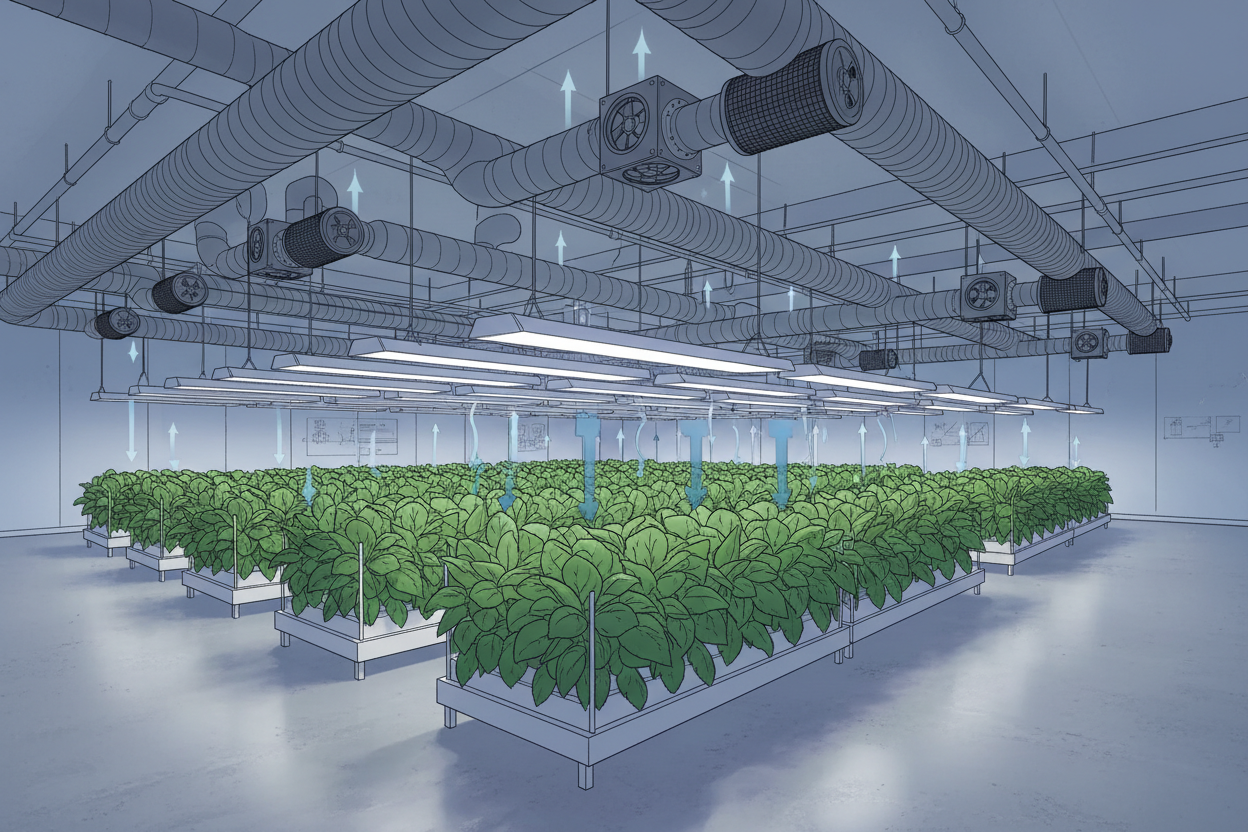
A grow room lives or dies by its air. Temperature spikes, humidity creep, CO2 depletion, and odour buildup are not independent problems, they share a common cause: inadequate or poorly designed ventilation. Getting the airflow right from the start means fewer interventions later, healthier plants, and a controlled environment that does what you designed it to do.
This covers the core principles of grow room ventilation in Australia, the equipment that drives it, and the logic behind humidity, odour, and heat management in enclosed hydroponic spaces.
Why Ventilation Is the Foundation
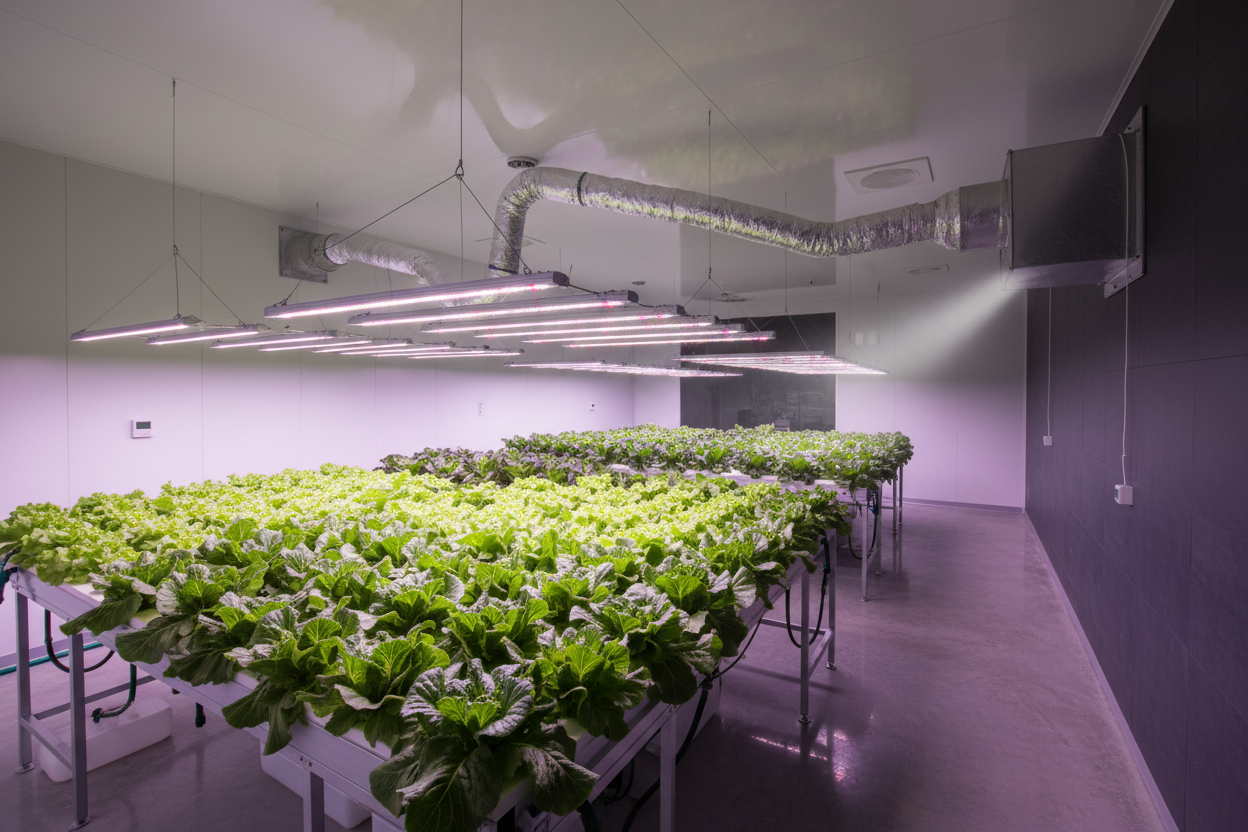
Plants in a sealed or semi-sealed grow room consume CO2 and release oxygen and water vapour through transpiration. Without air exchange, CO2 levels drop below the threshold needed for photosynthesis, humidity climbs toward conditions that trigger mould and pathogen pressure, and heat from lighting and equipment accumulates with nowhere to go. Ventilation solves all three simultaneously, fresh air brings CO2 and lower ambient humidity, while stale air out carries heat, excess moisture, and the volatile organic compounds responsible for odour.
The movement of air across leaf surfaces also strengthens plant stems and reduces the boundary layer of still air that slows gas exchange at the leaf level. A hydroponic system adds further demand on ventilation because the growing medium stays wet continuously. In DWC, NFT, and flood-and-drain systems, the root zone and nutrient solution contribute directly to ambient humidity, meaning the ventilation system has to account for this baseline moisture load on top of plant transpiration.
The Australian Context
Grow room ventilation in Australia operates across a wide range of climatic conditions that vary substantially by region and season. A setup in tropical Queensland faces different baseline humidity and temperature challenges than one in inland Victoria or coastal Western Australia. Understanding your local climate is a prerequisite for specifying equipment that will actually perform.
Humid Coastal Regions
In humid coastal regions, the incoming air itself carries significant moisture. Pulling in external air during a humid Sydney summer afternoon can raise the vapour pressure deficit inside the room before the system has a chance to stabilise. Growers in these regions often need additional dehumidification capacity beyond what extraction alone provides, extraction moves moisture through the room, but when ambient humidity outside is already high, it cannot reduce relative humidity below that ambient baseline.
Hot, Dry Inland Regions
In hot, dry inland regions, temperature management becomes the dominant concern. Summer ambient temperatures can exceed the intake air temperature range that plants tolerate, meaning passive intake is insufficient and cooled or conditioned air becomes necessary. Australian electrical standards and the physical environment also shape equipment selection, inline fans rated for Australian voltage and ducting suited to UV exposure and the temperature range of Australian summers perform differently from hardware sourced for northern hemisphere markets.
Inline Fans: The Core of Active Ventilation
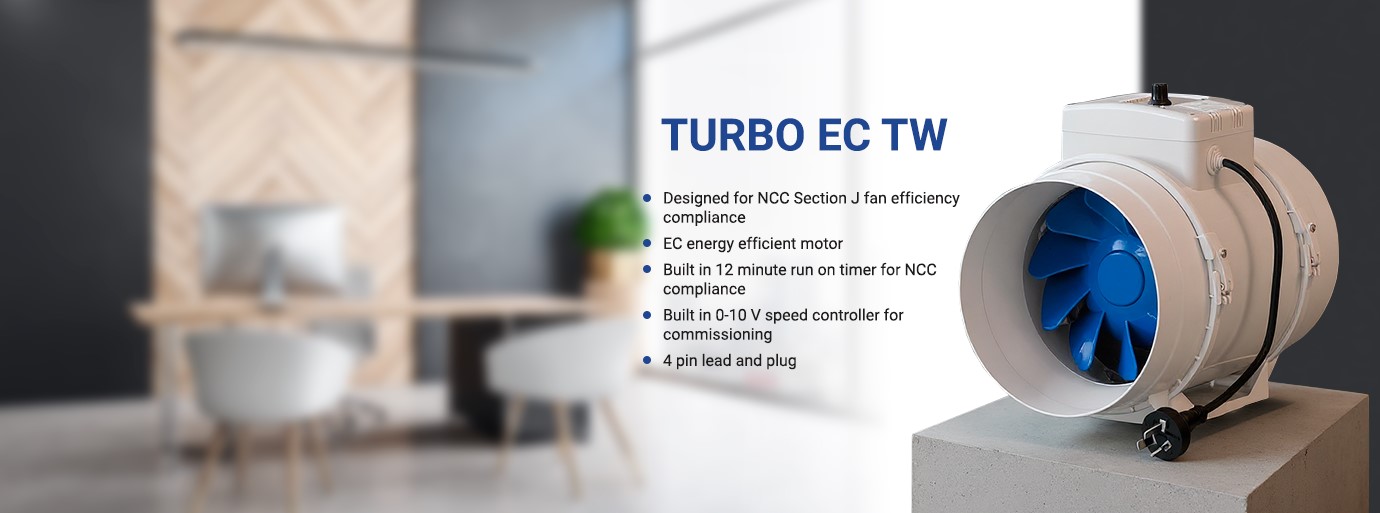
Inline fans are the standard for controlled environment horticulture. Mounted within ducting runs rather than at the opening, they move air through the system efficiently, handle back pressure from carbon filters and ducting bends, and operate quietly enough for residential or light commercial settings.
Sizing an Inline Fan for Your Room
Sizing an inline fan for a grow room requires calculating the volume of the room and matching it to the fan's cubic metre per hour (CMH) or cubic feet per minute (CFM) rating. The target is to exchange the full air volume of the room between once and three times per minute for active growth environments. A room of 10 cubic metres at one full air exchange per minute needs a fan rated for at least 600 CMH, with additional capacity built in to account for resistance from filters, ducting length, and bends. In hot Australian climates, erring toward higher capacity gives you headroom during summer peaks.
Continuous Duty Rating and Fan Speed Controllers
Australian inline fans from established brands are rated for continuous operation, which matters in grow room applications where the fan may run twenty hours a day or more. Cheaper fans not rated for continuous duty cycle fail faster and create reliability issues in environments where temperature and humidity excursions can damage an entire crop within hours. Fan speed controllers allow the system to modulate airflow in response to conditions rather than running at maximum all the time, a variable speed controller paired with a quality inline fan gives you the flexibility to increase extraction during peak heat periods and reduce it during cooler overnight windows, which also reduces noise and extends fan life.
Humidity Control
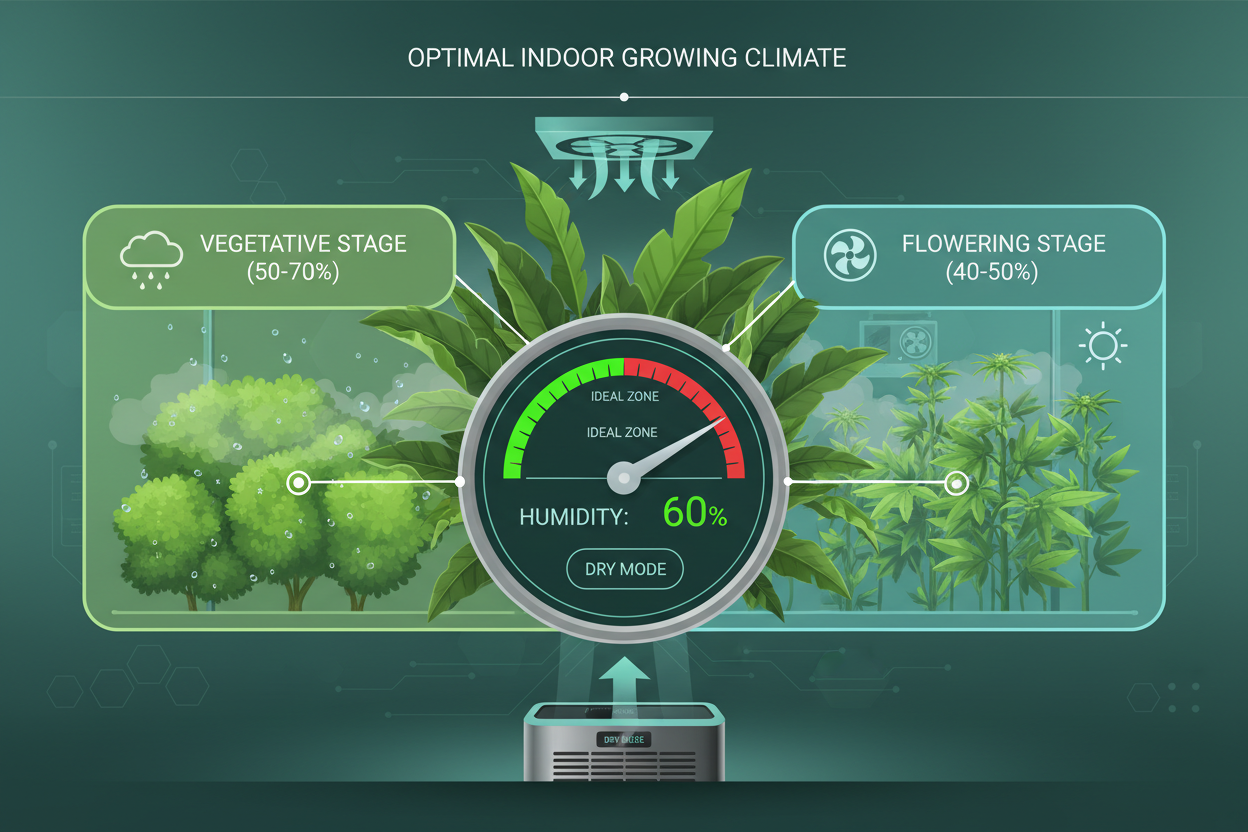
Relative humidity in a grow room needs to sit within a range that supports plant development without creating conditions that favour pathogen growth. For vegetative growth, the target range is generally 50 to 70 percent relative humidity. For flowering stages, growers typically reduce this to 40 to 50 percent to reduce pressure from botrytis and powdery mildew, both of which thrive in humid, warm air.
Vapour Pressure Deficit
Vapour pressure deficit (VPD) is a more precise metric than relative humidity alone. VPD measures the difference between the moisture the air holds and the maximum it could hold at a given temperature. A higher VPD drives faster transpiration; a lower VPD slows it. Managing VPD rather than just relative humidity lets you dial in plant transpiration rates by adjusting both temperature and humidity together, rather than chasing a single humidity number in isolation.
When Extraction Is Not Enough
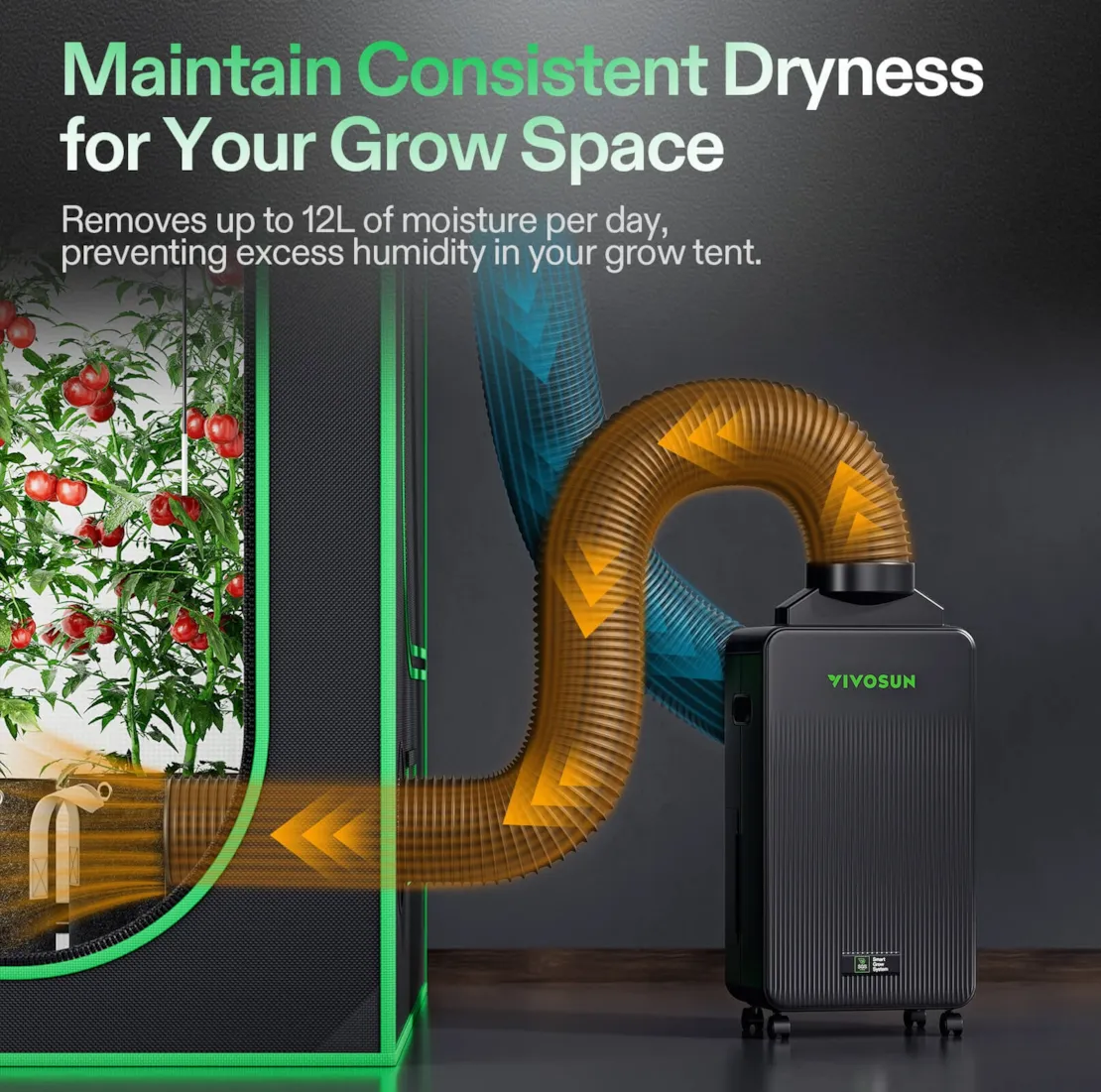
Extraction handles a substantial portion of humidity control by removing moist air and replacing it with fresh air at a lower absolute humidity. When external air is drier than the room, extraction alone may be sufficient to maintain target humidity levels. When external air is itself humid, extraction moves the moisture through but does not reduce relative humidity below ambient levels. In these cases, a standalone dehumidifier running within the room is necessary, sized to the room volume and the moisture load from active plant transpiration and the hydroponic water source.
Circulation Fans Within the Canopy
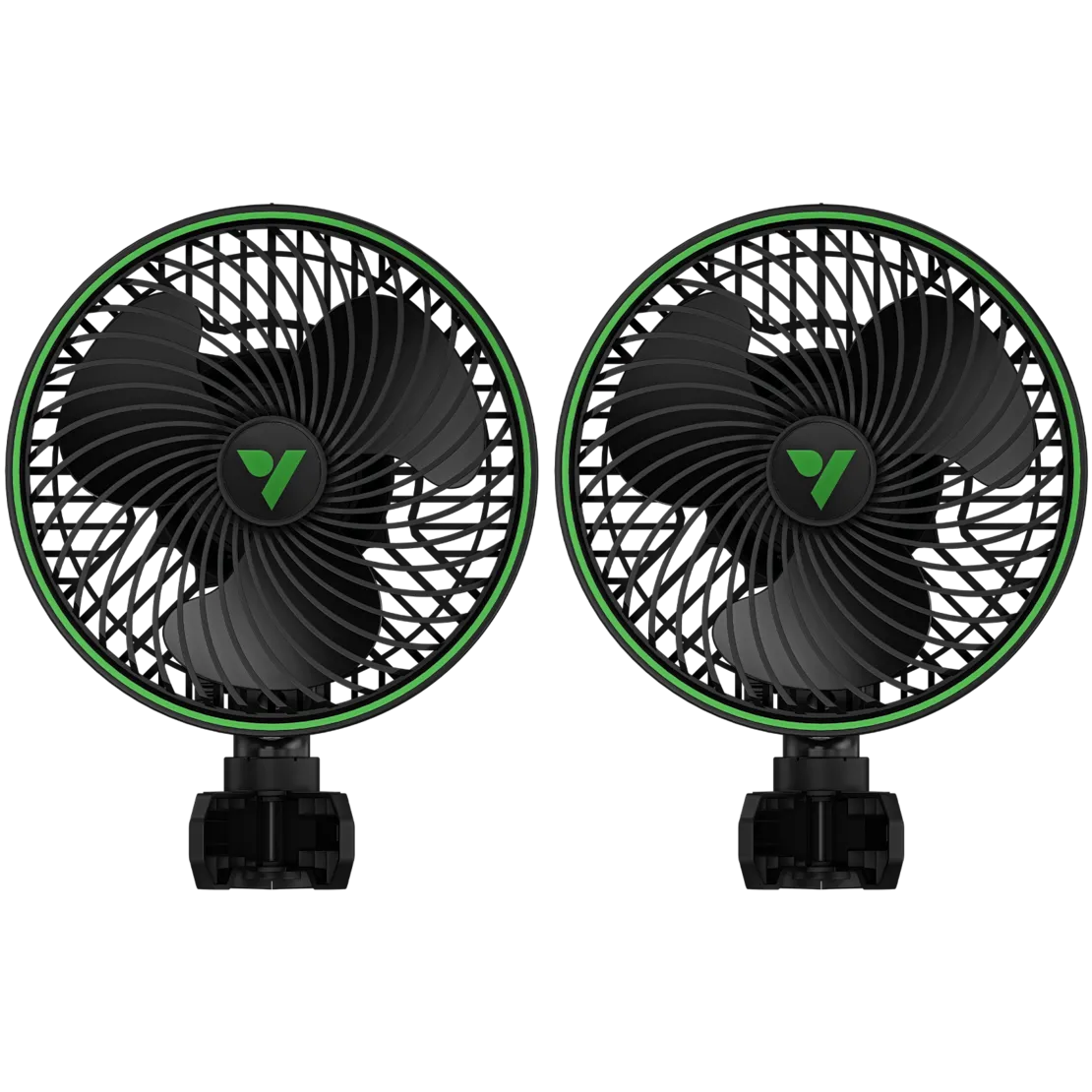
Oscillating or circulation fans within the room move air across leaf surfaces and through the canopy, reducing localised humidity pockets that form in still air, particularly in dense canopies. These are separate from the extraction system and serve a different function. Extraction moves air through the room. Circulation fans move air within it. Both are necessary in an active grow room and should be treated as separate components of the ventilation design.
Heat Management
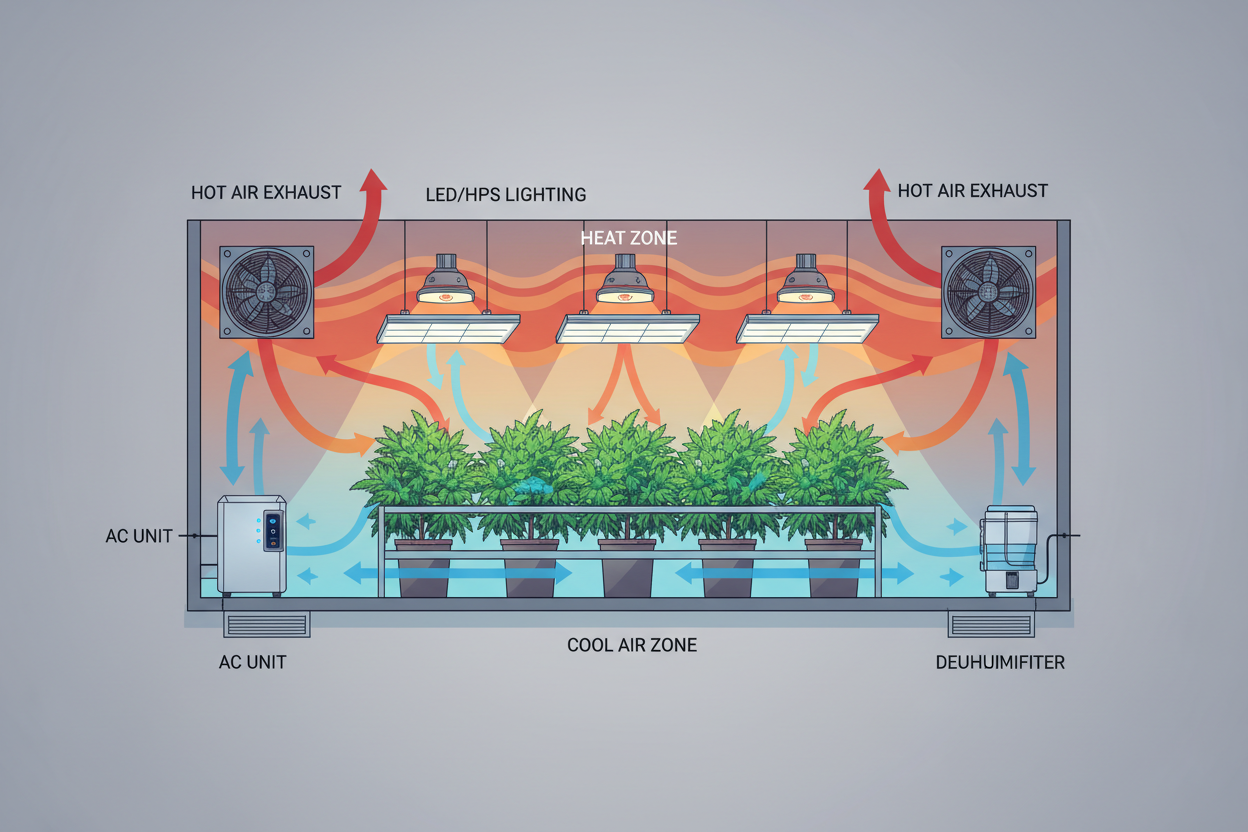
Heat in a grow room comes from multiple sources: lighting, ballasts or drivers, pumps, dehumidifiers, and any other electrical equipment running in the space. High-intensity discharge lighting such as HPS and CMH produces significant radiant and convective heat. LED fixtures produce less heat overall, but drivers still generate heat and the room temperature from equipment and plant metabolism still requires active management.
Extraction Positioning and Airflow Path
The extraction system is the primary heat management tool. Hot air rises, so the extraction point should sit at the highest point in the room, drawing the warmest air out first. Intake should be positioned low and on the opposite side of the room from extraction to create a diagonal airflow path that sweeps the full volume rather than short-circuiting across one section. Duct insulation also matters in Australian conditions, uninsulated ducting running through a hot roof space or outdoor wall gains heat from the surrounding structure, reducing the effectiveness of the ventilation system before the air even enters the room.
Supplemental Cooling in Extreme Conditions
In extreme summer conditions, particularly in inland Australia, supplemental cooling through split-system air conditioning becomes necessary. Grow rooms running in ambient temperatures above 38 to 40 degrees Celsius cannot maintain acceptable canopy temperatures through extraction alone regardless of fan capacity, because the intake air itself is too warm. A split system introduces cool air to the room and allows the extraction system to manage humidity and CO2 rather than carrying the full heat load. Lighting schedules also interact with heat management, running lights during cooler overnight hours reduces the overlap between external peak temperature and internal heat generation.
Position your extraction point at the highest point in the room and intake low on the opposite wall. This diagonal airflow path sweeps the full room volume and removes the warmest air first, the simplest structural change that improves heat management without any additional equipment.
Odour Control
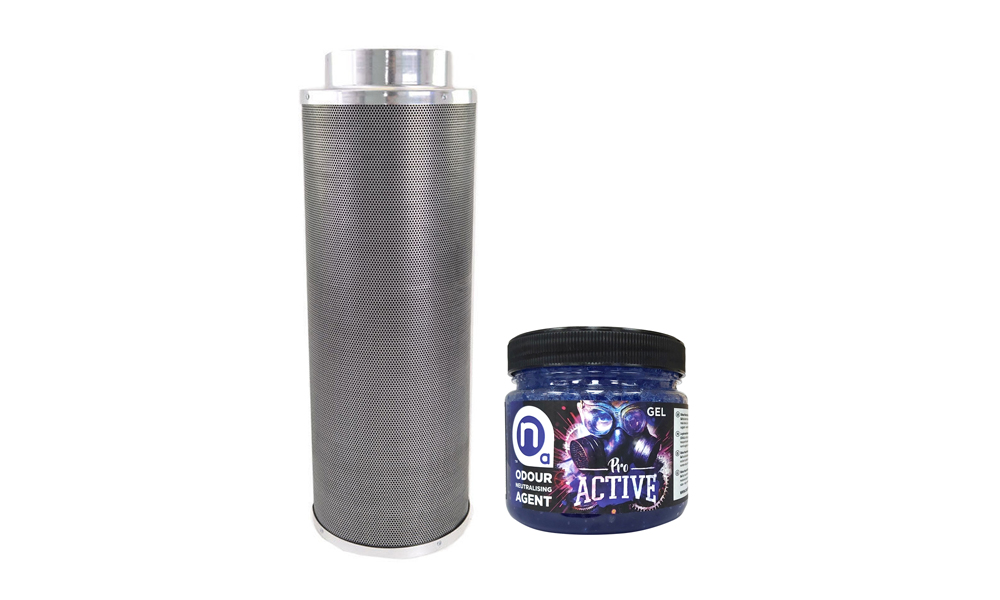
Carbon filters are the standard for odour control in enclosed grow rooms. A carbon filter packed with activated carbon adsorbs volatile organic compounds, including terpenes, before the air exhausts outside the space. The filter connects to the inline fan via ducting, with air pulled through the filter bed before being expelled.
Sizing and Matching Filter to Fan
Filter sizing follows the same logic as fan sizing. The filter's rated airflow needs to match or exceed the fan's CFM rating. A filter undersized relative to the fan velocity will not provide adequate contact time between the air and the carbon bed, reducing odour removal efficiency. Filters also have a service life related to total air volume processed and humidity exposure, high humidity degrades activated carbon faster, and keeping relative humidity below 70 percent extends filter life meaningfully. When odour breakthrough becomes noticeable, the carbon bed is saturated and the filter needs replacement.
Airtight Connections and Pre-Filters
The physical connection between the filter and fan needs to be airtight. Any air bypassing the filter bed passes unfiltered into the exhaust, check all joints, collars, and duct connections when installing or servicing the system. Pre-filters are fabric sleeves that wrap the outside of the carbon filter to catch dust and particulates before they enter the carbon bed. They extend the life of the carbon by preventing clogging of the bed surface and can be cleaned and replaced independently of the carbon filter itself. For rooms where odour control is critical, running the extraction system continuously rather than on a cycle timer ensures that positive pressure does not build inside the room during off periods.
Putting the System Together
A functional grow room ventilation system has intake, circulation, and extraction working as a connected design rather than three separate afterthoughts. The intake path brings fresh air in at a controlled rate. Circulation fans distribute that air through the canopy. Extraction removes heat, humidity, and odour through a carbon filter via an inline fan sized to the room volume.
Negative Pressure: The Operating Principle
Negative pressure is the operating principle of a well-designed grow room exhaust system. The extraction fan should remove slightly more air than intake supplies, creating a small negative pressure differential inside the room. This means air enters only through designated intake points, which can be filtered and directed, and it means odours and humidity exit only through the carbon filter rather than leaking through gaps in walls, doors, or ducting.
Automation Through Controllers
Automation through temperature and humidity controllers takes the manual load off the grower. A controller connected to the inline fan speed controller adjusts extraction rate automatically in response to sensor readings. Set target temperature and humidity thresholds, and the system responds without requiring manual intervention. Some controllers also manage supplemental heating, CO2 injection, and dehumidifier operation from a single interface, giving you a fully integrated environmental control system built around the ventilation core.
Grow Room Ventilation Components at a Glance
| Component | Primary Function | Key Sizing Consideration |
|---|---|---|
| Inline fan | Extract stale air; drive airflow through the system | Room volume (CMH) plus 25–30% for filter and duct resistance |
| Carbon filter | Adsorb odour compounds before exhaust | Rated CMH must match or exceed fan output |
| Fan speed controller | Modulate extraction rate in response to conditions | Compatible amp rating with the inline fan |
| Circulation fans | Move air within the canopy; reduce humidity pockets | Coverage area and canopy density |
| Dehumidifier | Remove moisture when extraction alone is insufficient | Litres per day rated to room volume and plant load |
| Environment controller | Automate fan, dehumidifier, and heating response | Number of outputs and sensor compatibility |
| Insulated ducting | Maintain intake air temperature through the duct run | Diameter matched to fan collar; length of run |
Build Your Ventilation System with Vent Experts
Vent Experts supplies the components to build an integrated ventilation system for Australian grow rooms, from inline fans and carbon filters through to speed controllers, environment controllers, and insulated ducting. The range covers small tent setups through to large-scale hydroponic rooms. Visit hydroexperts.com.au to check the current range and match equipment to your room dimensions and climate conditions.
FAQs
Calculate the room volume in cubic metres by multiplying length, width, and height. Multiply that figure by 60 to get the minimum CMH rating needed for one full air exchange per minute. Add 25 to 30 percent on top to account for resistance from carbon filters, ducting length, and bends. In hot Australian climates, erring toward higher capacity gives you headroom during summer peaks when the system needs to work hardest.
Extraction removes moist air and is the first line of humidity management. When external air is drier than the room, extraction alone may suffice. When ambient humidity is high, a standalone dehumidifier running inside the room is necessary. Circulation fans reduce localised humidity pockets within the canopy. For precise control, manage vapour pressure deficit by adjusting both temperature and humidity together rather than targeting a relative humidity figure in isolation.
Under normal conditions with relative humidity kept below 70 percent, a quality carbon filter lasts between 12 and 18 months of continuous use. High humidity, overloading the filter with air volume beyond its rating, and neglecting the pre-filter all shorten service life. When odour breakthrough becomes noticeable, the carbon bed is saturated and the filter needs replacement, order a replacement at the first signs of intermittent odour rather than waiting for consistent breakthrough.
Continuous operation is the standard for active grow rooms where odour control is a priority. Cycling the extraction off creates periods of positive pressure that can push unfiltered air through gaps in the room. For heat and humidity management, continuous operation with variable speed control responding to sensor data is more effective than fixed on-off cycles, the fan speed adjusts to conditions rather than running flat out when it is not needed or stopping entirely when it is.
Hydro Experts supplies inline fans, carbon filters, speed controllers and associated grow room ventilation equipment suited to Australian conditions and voltage standards. The full range is available at hydroexperts.com.au, with products covering small tent setups through to large-scale hydroponic rooms.