

Build Your Own Cold Bath: How to Use a Water Chiller for Recovery & Wellness
By Hydro Experts | 29 March 2026
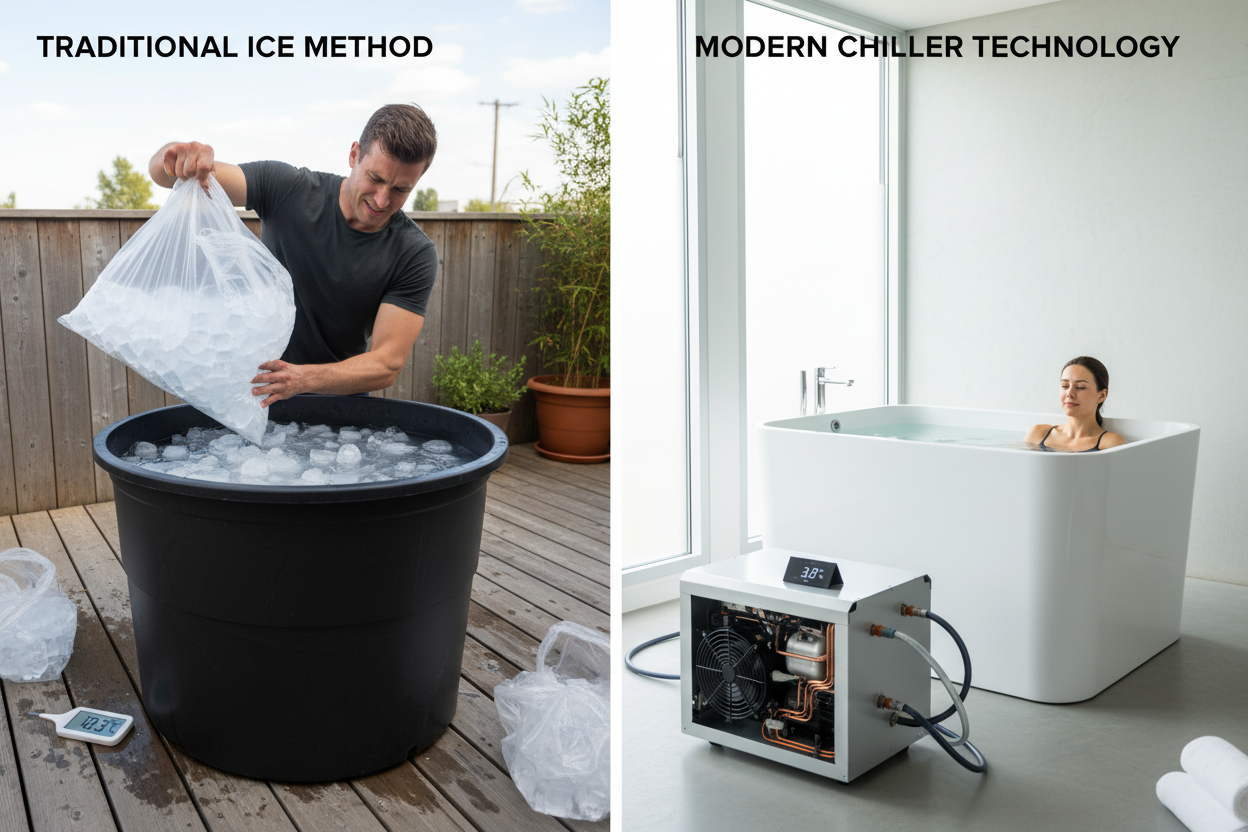
Cold water immersion requires a stable thermal environment to facilitate physiological responses. Users traditionally relied on the manual addition of ice to reach target temperatures. This method produces inconsistent cooling and requires the repeated purchase or manufacture of ice. A water chiller for cold bath systems replaces manual cooling with a mechanical refrigeration cycle. These units utilise a compressor and a refrigerant to extract heat from the water.
How It Works

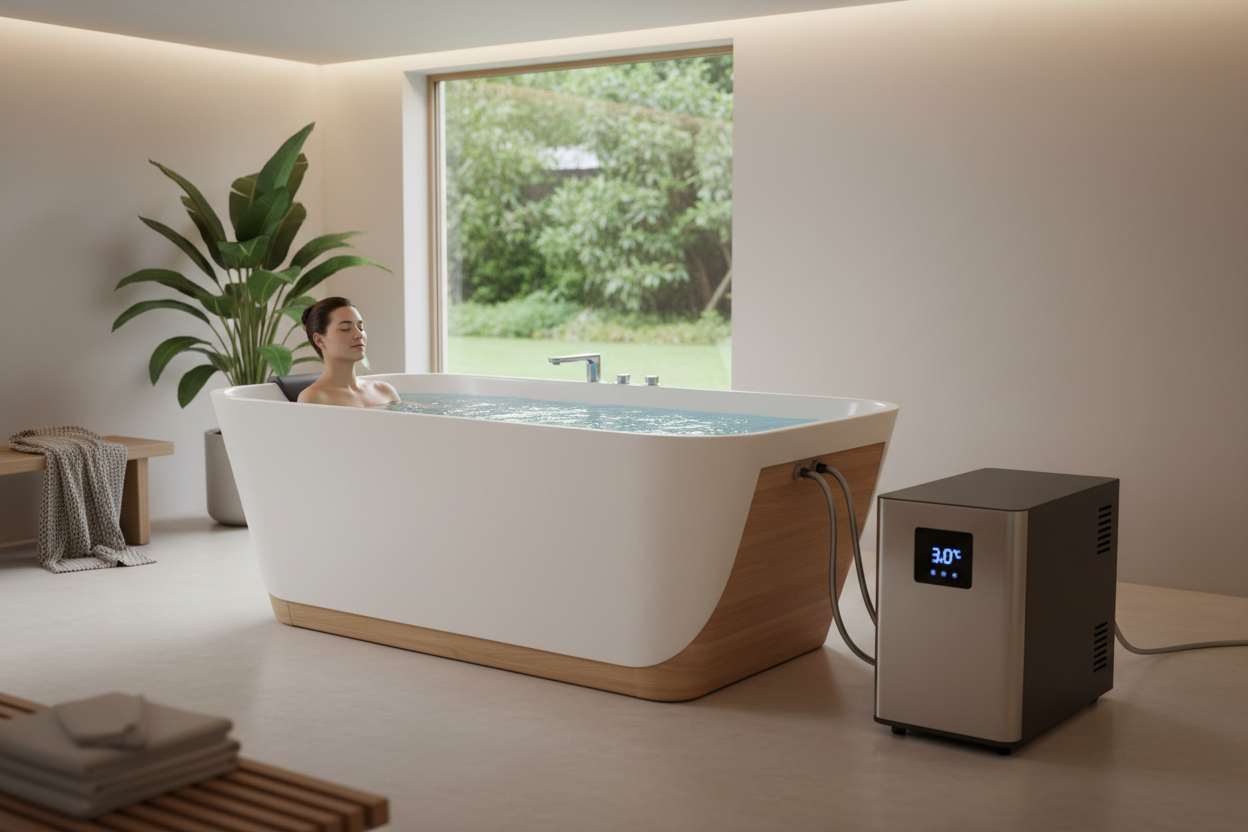
The system circulates the water through a heat exchanger where the thermal energy is transferred from the water to the refrigerant. This process continues until the water reaches the programmed set point. Mechanical cooling provides a predictable environment for daily recovery sessions. It allows for the maintenance of a specific thermal state without the fluctuations inherent in melting ice.
The container for the cold plunge must accommodate the volume of the user. Options include stainless steel stock tanks or heavy-duty plastic bins. The structural integrity of the container must support the weight of the water and the person.
One litre of water weighs one kilogram. A three-hundred-litre tub holds three hundred kilograms of water plus the weight of the user. Placement of the tub requires a reinforced floor or a concrete slab. Levelling the tub ensures even water distribution and prevents stress on the seams of the container.
Selection of Hardware
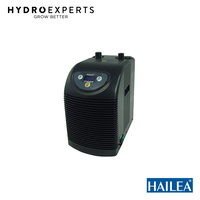
The cooling capacity of a chiller is measured in horsepower or British Thermal Units. A quarter-horsepower chiller suits smaller tubs in indoor environments. Larger tubs or outdoor setups in warm climates require one-half or one full horsepower units. HydroExperts chillers provide the necessary power to lower water temperatures effectively.
These units feature titanium heat exchangers that resist corrosion from water treatment chemicals. The compressor in these chillers operates with a specific decibel rating. Placement of the unit in a well-ventilated area prevents overheating and reduces noise levels.
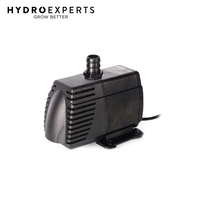
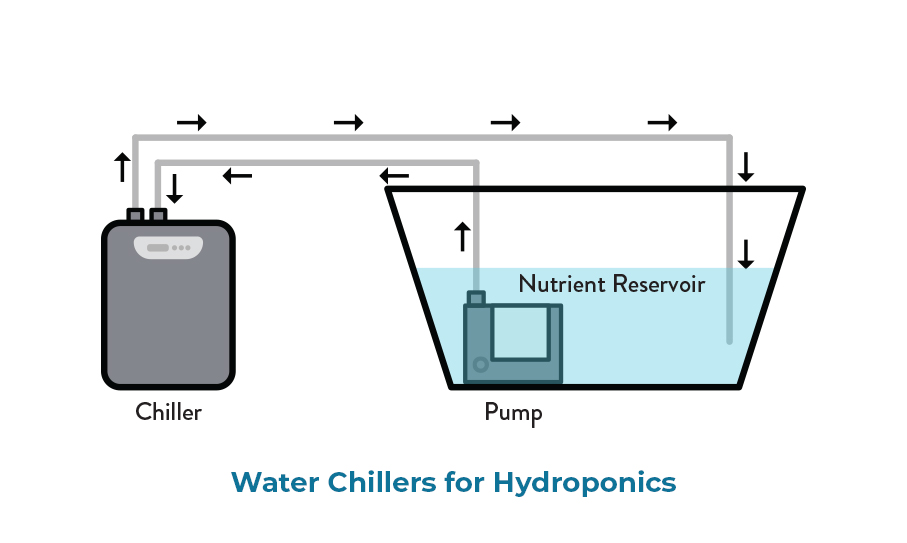
A water pump drives the circulation of the system. The pump must provide a flow rate that matches the requirements of the chiller. If the water moves too quickly, the heat exchanger cannot remove enough heat in a single pass. If the water moves too slowly, the chiller may freeze internally. Centrifugal pumps provide reliable service for these applications. They require priming before the first use to remove air from the lines. Inline filtration sits between the tub and the pump. This filter removes hair and debris. It protects the pump impeller and the chiller internals from damage.
Thermal regulation focuses on the range of 10 to 15 degrees Celsius. This range provides the necessary stimulus for recovery without the risks associated with extreme cold. Achieving 10 degrees Celsius requires the chiller to run for several hours, depending on the initial water temperature and the ambient air temperature.
The duration of the cooling process follows the laws of thermodynamics. Heat moves from the warmer water to the cooler refrigerant. The rate of this transfer depends on the surface area of the heat exchanger and the temperature differential.
Assembly and Safety
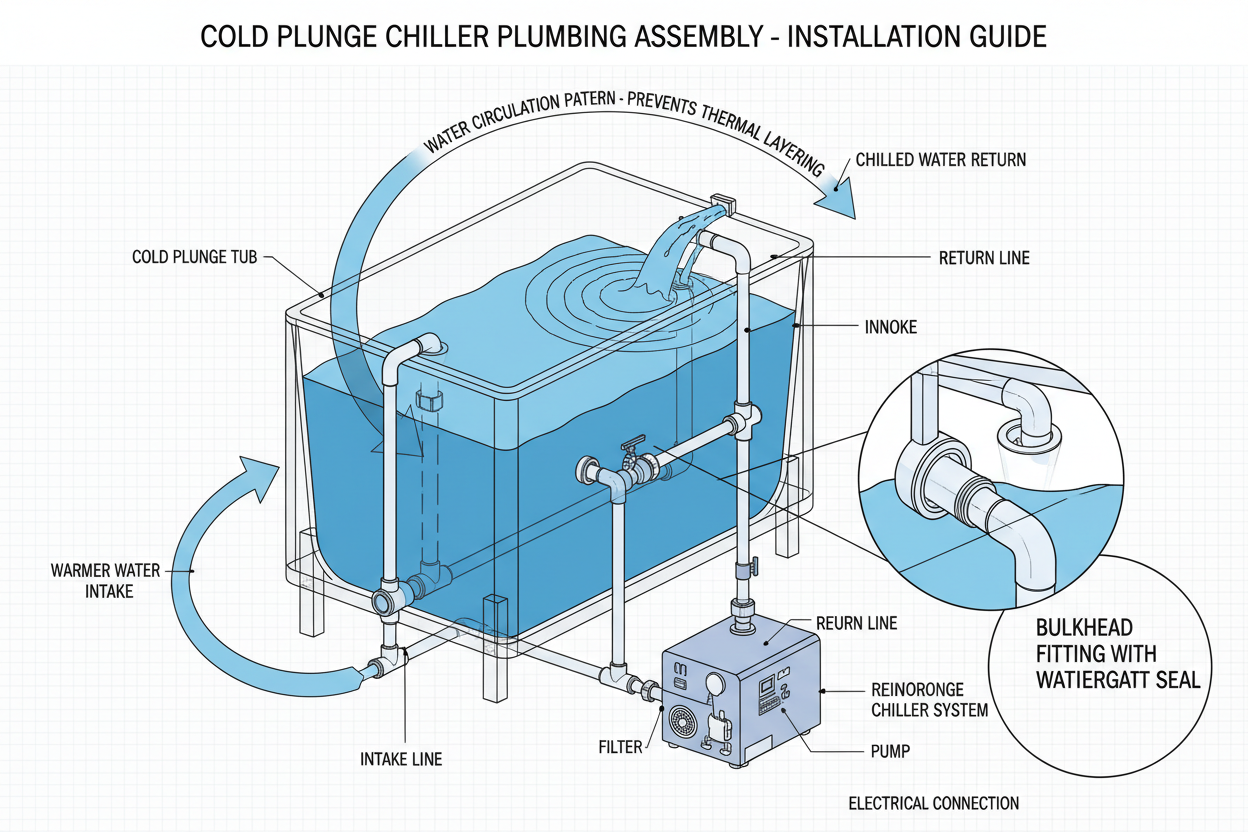
Assembly begins with the connection of the plumbing lines. Reinforced PVC tubing prevents the lines from kinking or collapsing under suction. Fittings must be watertight to prevent damage to the surrounding area. Using bulkhead fittings on the tub allows for secure connections through the walls of the container. The intake sits near the bottom of the tub to pull in the warmest water. The return line sits near the top. This configuration creates a current that encourages mixing and prevents thermal layering.
Insulation improves the efficiency of the water chillers for the cold bath setup. Uninsulated tubs lose cold to the air and the floor. Applying closed-cell foam to the exterior of the tub reduces this heat gain. An insulated lid is necessary when the tub is not in use. This lid prevents evaporation and blocks ambient heat. Insulating the plumbing lines further reduces the workload on the chiller. A more efficient system reaches the target temperature faster and consumes less electricity.
Electrical safety is a primary consideration in any water-based system. All components must connect to a ground fault circuit interrupter. This device monitors the flow of electricity. It cuts the power instantly if it detects a leak to the ground. This prevents electrical shock in the event of a component failure. Positioning the chiller and pump away from the immediate splash zone of the tub reduces the risk of water entering the electrical housings.
Efficiency and Maintenance
Maintenance of the system ensures the longevity of the mechanical components. The inline filter requires cleaning every week. A clogged filter reduces the flow rate and strains the pump. Draining and refilling the water every three to four months maintains hygiene.
The use of a mild sanitiser like hydrogen peroxide or a low concentration of chlorine prevents the growth of bacteria and algae. These chemicals do not harm the titanium components in HydroExperts chillers when used at recommended levels.
The heat exchanger inside the chiller requires periodic flushing. Minerals from the water can deposit on the internal surfaces. These deposits act as insulation and reduce the efficiency of the cooling process. A solution of citric acid circulated through the chiller for several hours, dissolving these deposits. Rinsing the system with fresh water after a flush removes any remaining acid.
Airflow around the chiller unit remains critical for performance. The condenser coils accumulate dust over time. This dust blocks airflow and forces the compressor to work harder. Cleaning the coils with a soft brush or compressed air maintains the heat rejection capacity of the unit. Placing the chiller at least thirty centimetres away from walls or obstructions ensures the fan can move air freely.
System monitoring involves checking the temperature display on the chiller. Most units feature a digital controller with a built-in thermometer. Calibrating this thermometer with an external probe ensures accuracy. A delta T of one to two degrees is common between the display and the actual water temperature. Regular observation of the plumbing connections identifies leaks before they cause significant water loss.
The integration of a timer or a smart plug allows for scheduled cooling. This ensures the water is at the desired temperature before the user intends to use it. Running the chiller during off-peak electricity hours reduces the cost of operation. The system remains dormant during periods of non-use to save energy.
The use of a chiller provides a significant upgrade over manual ice methods. It removes the logistical burden of obtaining ice and provides a consistent recovery tool. The investment in a dedicated cooling system results in a more frequent and reliable recovery practice. Create your cold plunge setup with HydroExperts to ensure the use of high-quality components designed for these specific thermal requirements.
Why Hydro Experts?
Hydro Experts provides high-quality equipment designed to support reliable performance in hydroponic systems and water-based applications across Australia. The company sources products from established industry manufacturers known for engineering consistency, durability, and efficiency.
A primary advantage of Hydro Experts is the focus on product selection. Each component is chosen based on performance standards relevant to controlled environments such as hydroponics, aquaculture, and temperature-regulated water systems. This reduces the uncertainty often associated with generic or unverified equipment.
The range includes water chillers, pumps, filtration systems, and environmental control components. These products are designed to integrate into complete systems, allowing users to build or upgrade setups with compatible hardware. This system-based approach simplifies installation and improves long-term reliability.
Hydro Experts also prioritises material quality. Many chillers feature corrosion-resistant heat exchangers, suitable for treated water environments. Pumps and filtration units are selected for consistent flow rates and operational stability, which are critical for both plant growth systems and cold water immersion setups.
FAQs
The cooling time depends on the initial temperature and the volume of the water. A one half horsepower chiller typically lowers a three hundred liter tub by three to four degrees per hour. Starting from a tap temperature of 20 degrees Celsius the system reaches 10 degrees Celsius in approximately three hours. Insulation and ambient air temperature influence this rate.
Most chillers are designed for indoor or sheltered use. Exposure to direct rain or sunlight can damage the electrical components and the outer casing. Placing the chiller in a ventilated shed or a waterproof enclosure with adequate airflow protects the unit from the elements.
A filter remains necessary to protect the internal components of the pump and the chiller. Even with a shower the water accumulates skin cells and environmental dust. These particles can build up in the heat exchanger and reduce cooling efficiency.
The cost depends on the horsepower of the unit and the duration of the cooling cycle. A standard one half horsepower unit uses approximately five hundred watts of power. Maintaining a constant temperature in an insulated tub requires the unit to run for short cycles throughout the day. This typically results in a lower daily cost than purchasing bags of ice.
The frequency of water changes depends on the effectiveness of the filtration and sanitation system. With a functional filter and consistent use of sanitizers the water remains clear for three to four months. If the water becomes cloudy or develops an odor the user should drain and refill the tub immediately.
Related Products
ON SALE
ON SALE
ON SALE