

Best Growing Medium for Hydroponics: Coco vs Pebbles vs Rockwool
By Hydro Experts | 30 April 2026
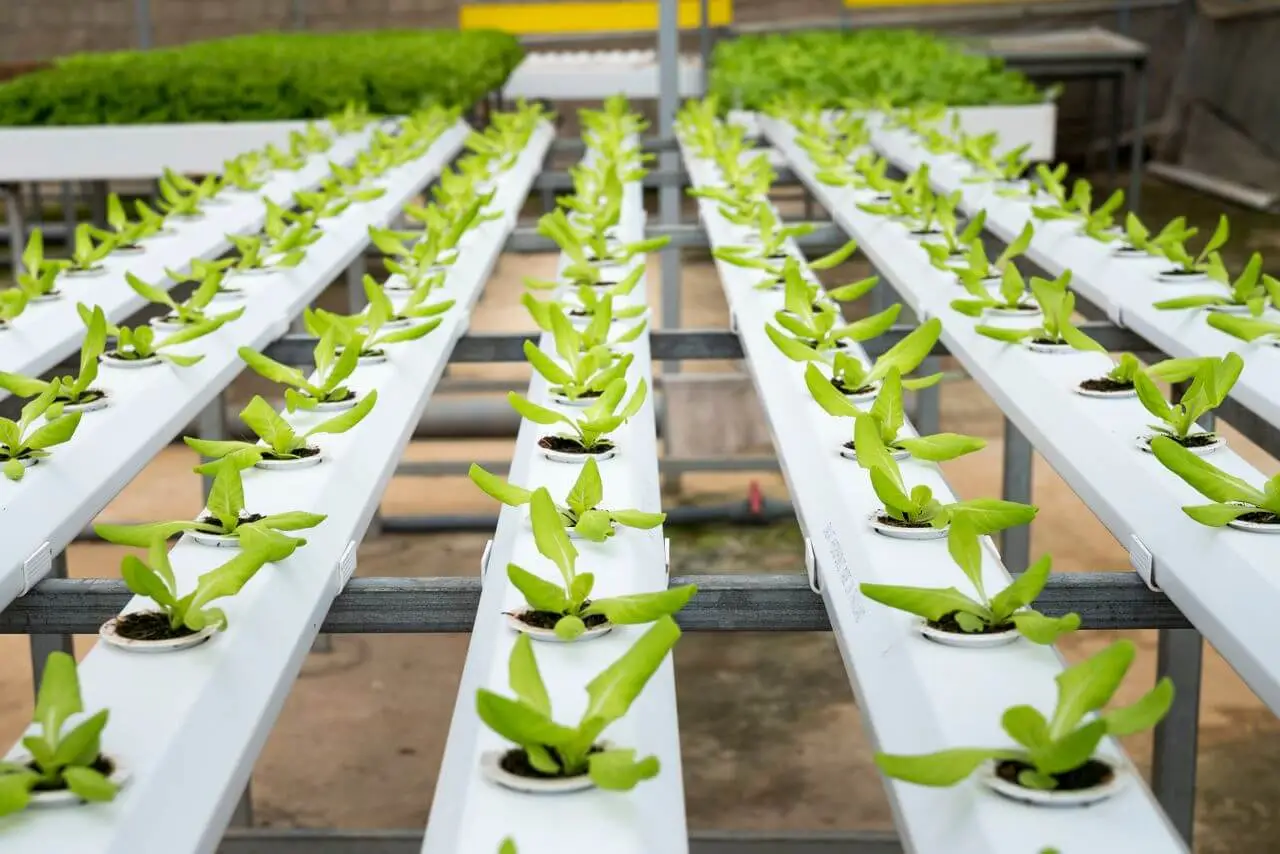
The growing medium in a hydroponic system does something specific and often underappreciated: it supports the root zone while managing the balance between water retention and oxygen availability that determines how well roots function. Get that balance right for your specific system and crops and the medium disappears into the background. Get it wrong and you spend the growth cycle managing problems that trace back to the physical environment around the roots.
Three media dominate the hydroponic market: coco coir, clay pebbles, and rockwool. Each has a distinct profile of water retention, aeration, cost, and compatibility with different system types. There is no universally best option. This guide covers all three in enough depth to make that decision clearly based on your system, your crops, and your irrigation schedule.
Coco Coir as a Growing Medium
What Is Coco Coir
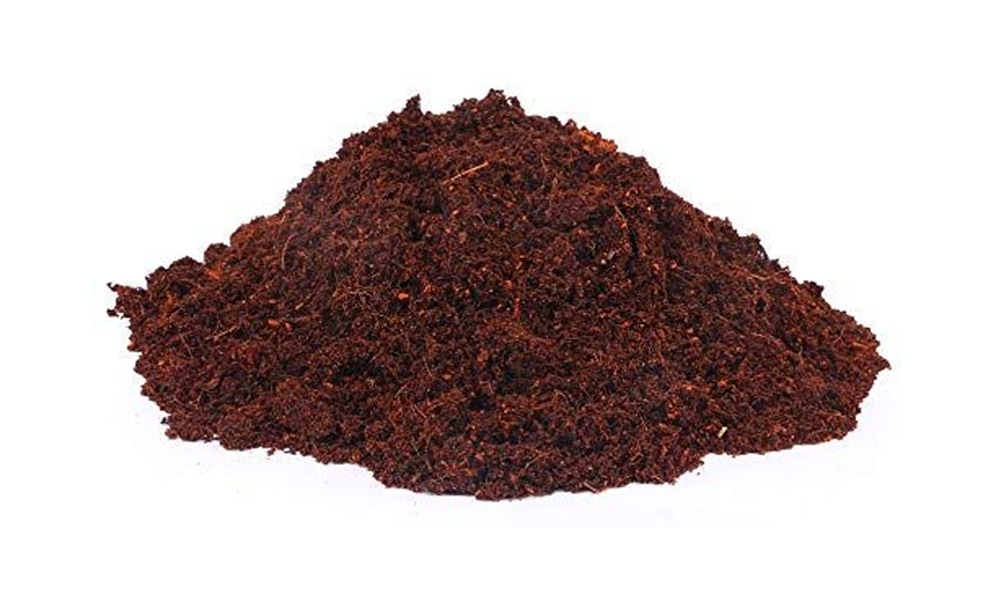
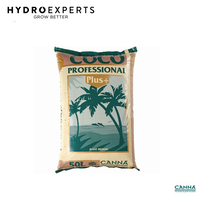
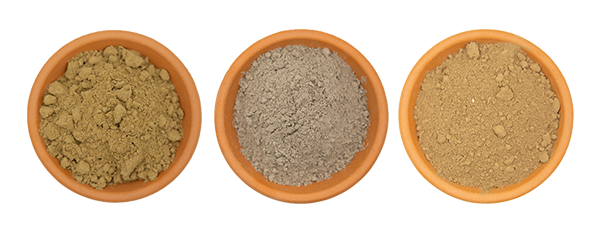
Coco coir is derived from the fibrous husk of coconut shells. The processing of coir for horticultural use removes salt content and buffers the pH to a workable range. It comes in several physical forms: loose coir, compressed bricks that expand when hydrated, pre-washed and buffered bags, and blended mixes that combine coir with perlite for added aeration. Coco coir products are available in formats to suit hand-watered containers, drip systems, and drain-to-waste setups.
Water Retention and Aeration in Coco Coir
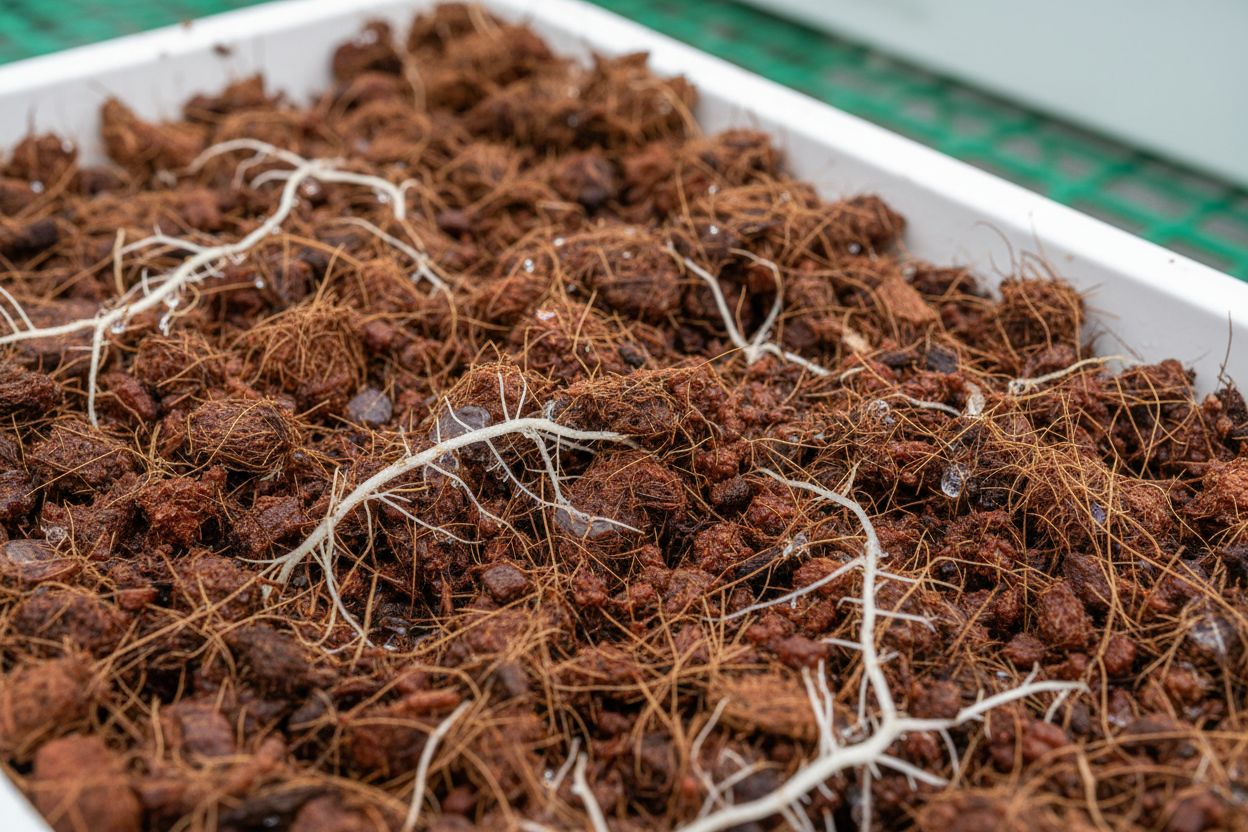
Coco holds moisture well while maintaining better aeration than soil-based media. The fibrous structure creates capillary water retention alongside air pockets within the same medium, giving roots access to both water and oxygen simultaneously. This balance is one of coco's primary advantages for hydroponic growing, and it makes the medium forgiving of minor irrigation timing errors compared to more aeration-focused media like clay pebbles.
The moisture retention of coco also means it stays wet longer between irrigation events than clay pebbles or rockwool in many configurations. For systems with less frequent irrigation or for growers who want flexibility in their watering schedule, this is an advantage. In systems with very high irrigation frequency, it can become a disadvantage by staying too wet and reducing oxygen availability in the root zone.
Nutrient Considerations with Coco Coir
Raw coco has a high cation exchange capacity (CEC), meaning it naturally binds calcium and magnesium ions and makes them temporarily unavailable to plants. Unbuffered coco used without Cal-Mag supplementation leads to calcium and magnesium deficiency even when the nutrient solution contains adequate amounts of both. Pre-buffered coco addresses this, but Cal-Mag supplementation remains standard practice throughout a coco grow. This is a genuine extra management requirement compared to inert media like clay pebbles or rockwool.
pH in coco sits naturally around 5.8 to 6.5, which overlaps with the optimal hydroponic range of 5.5 to 6.5. It is slightly more pH-stable than rockwool across a grow cycle, though regular monitoring remains necessary.
Coco Coir Is Best For
Coco suits drain-to-waste systems, drip systems, and hand-watered setups. It works particularly well for growers transitioning from soil because the feel and management approach is closer to soil growing than the other two media. It is also the most reusable of the three with proper sterilisation between grows, reducing ongoing cost per cycle.
Clay Pebbles as a Growing Medium
What Are Clay Pebbles
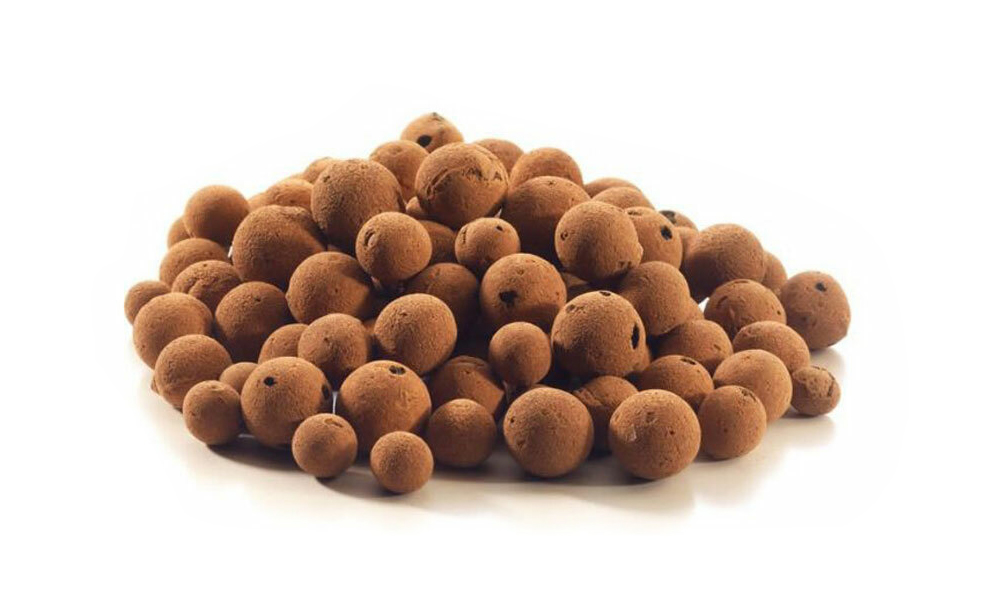
Clay pebbles, also called hydroton, LECA, or expanded clay aggregate, are formed by heating clay at high temperatures until it expands into lightweight, porous balls. The result is a chemically inert, reusable medium with a hard outer shell and porous interior. Clay pebbles are available at Hydro Experts in multiple bag sizes alongside system-specific growing equipment compatible with clay pebble media.
Water Retention and Aeration in Clay Pebbles
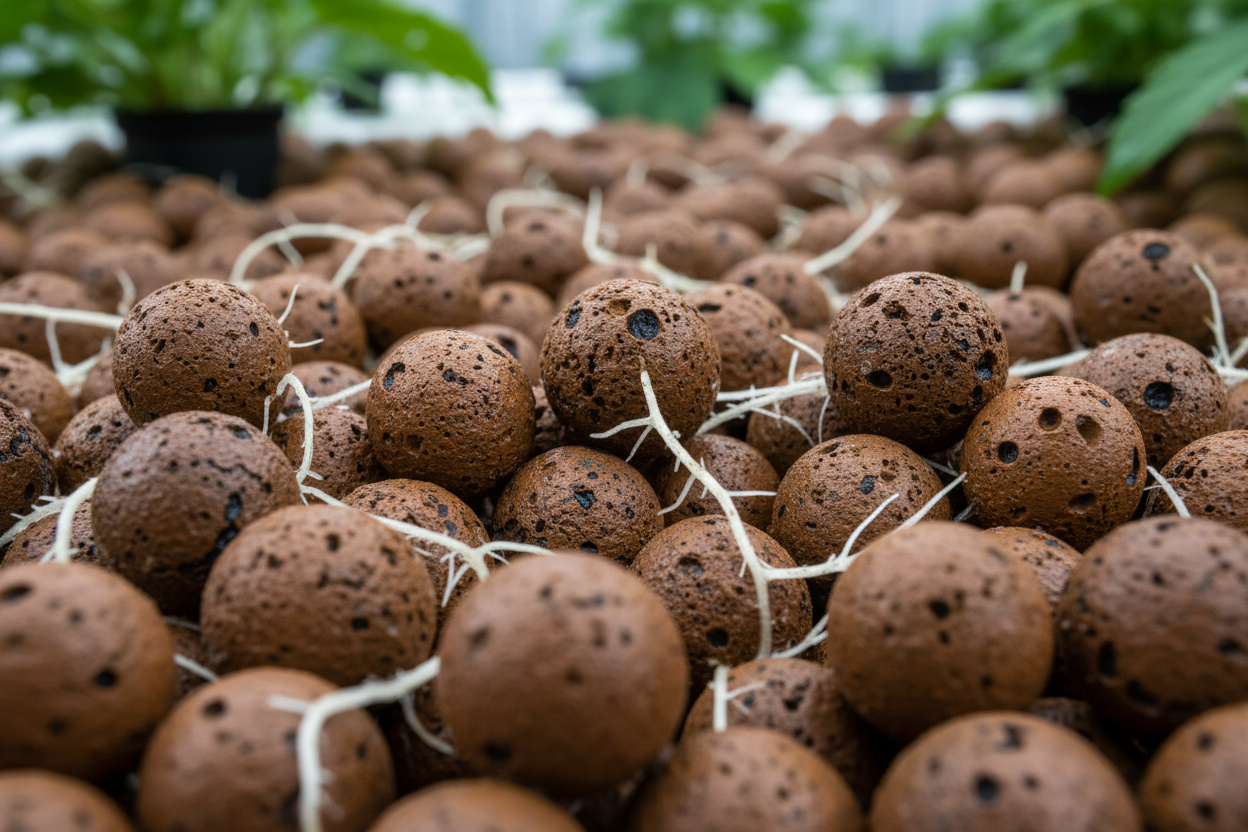
Clay pebbles sit at the opposite end of the water retention spectrum from coco. The gaps between the pebbles allow water to drain freely and air to fill the space, creating excellent oxygen availability at the root zone. Roots growing in clay pebbles have consistent access to high oxygen levels, which supports rapid root development and vigorous growth when irrigation is frequent enough to meet the plant's water demand.
The low water retention of clay pebbles means they dry out quickly between irrigation events. In systems with infrequent irrigation this creates water stress. Clay pebbles are most effective in systems that deliver nutrient solution frequently, including deep water culture, nutrient film technique, ebb and flow, and recirculating drip systems where roots either sit in or are regularly bathed in solution. The excellent drainage and aeration of clay pebbles makes overwatering essentially impossible in well-designed systems, which eliminates one of the most common problems in less experienced grows.
Reusability and pH with Clay Pebbles
Clay pebbles are the most reusable medium of the three. Properly rinsed, sterilised, and stored between grows, a batch of clay pebbles can be used across multiple grow cycles. The upfront cost is higher than coco per bag, but the per-cycle cost decreases significantly with repeated use. For growers running ongoing operations, clay pebbles have a clear long-term cost advantage.
Clay pebbles are chemically inert and do not interact with the nutrient solution or bind and release ions. This makes them predictable and easy to manage from a nutrient perspective. They have no natural pH buffering capacity, so the pH of the nutrient solution translates directly to the root zone without modification, an advantage for precise pH management and a factor to stay aware of, since reservoir pH drift reaches the roots without the buffering that coco provides.
Clay Pebbles Are Best For
Clay pebbles suit DWC systems, ebb and flow tables, NFT channels, and recirculating drip systems. They are also used as a top layer over other media to reduce surface evaporation and light penetration to the root zone in containers. Their inert chemistry, outstanding drainage, and multi-cycle reusability make them the natural choice for growers running recirculating hydroponic systems.
Rockwool as a Growing Medium
What Is Rockwool
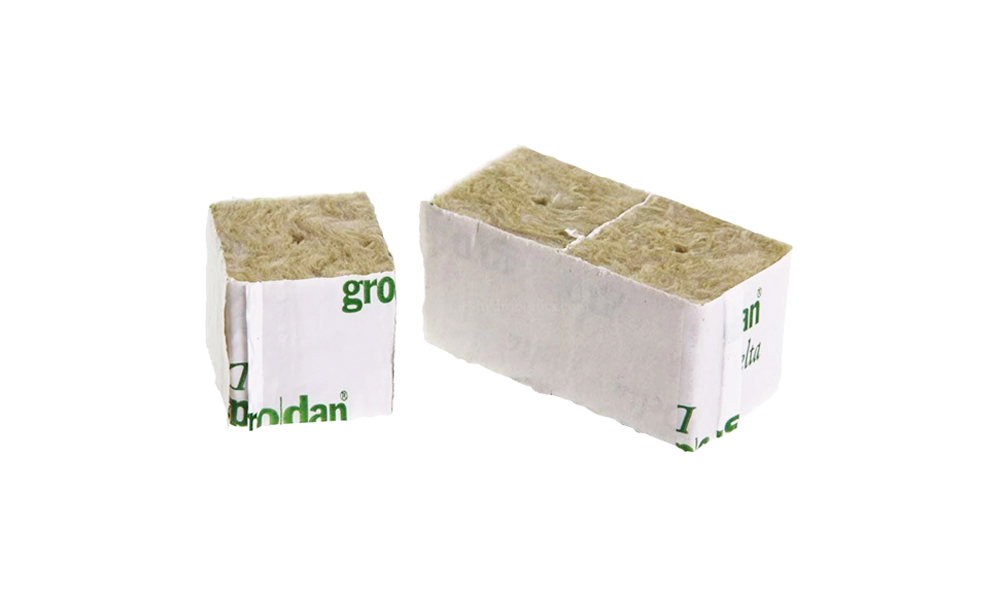
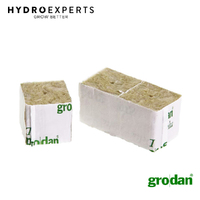
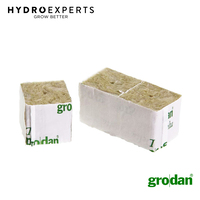
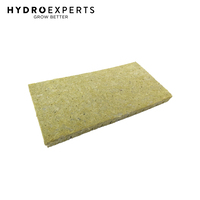
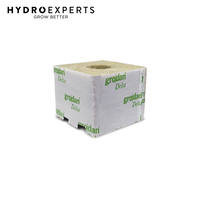
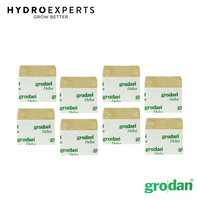
Rockwool is produced by melting basalt rock and spinning the molten material into fibres, which are then compressed into cubes, slabs, or granules. It is the most widely used growing medium in commercial hydroponic production globally and the dominant medium in Dutch greenhouse horticulture. Rockwool products are available in propagation cube, grow slab, and granulate formats to cover the full production cycle.
Water Retention and Aeration in Rockwool
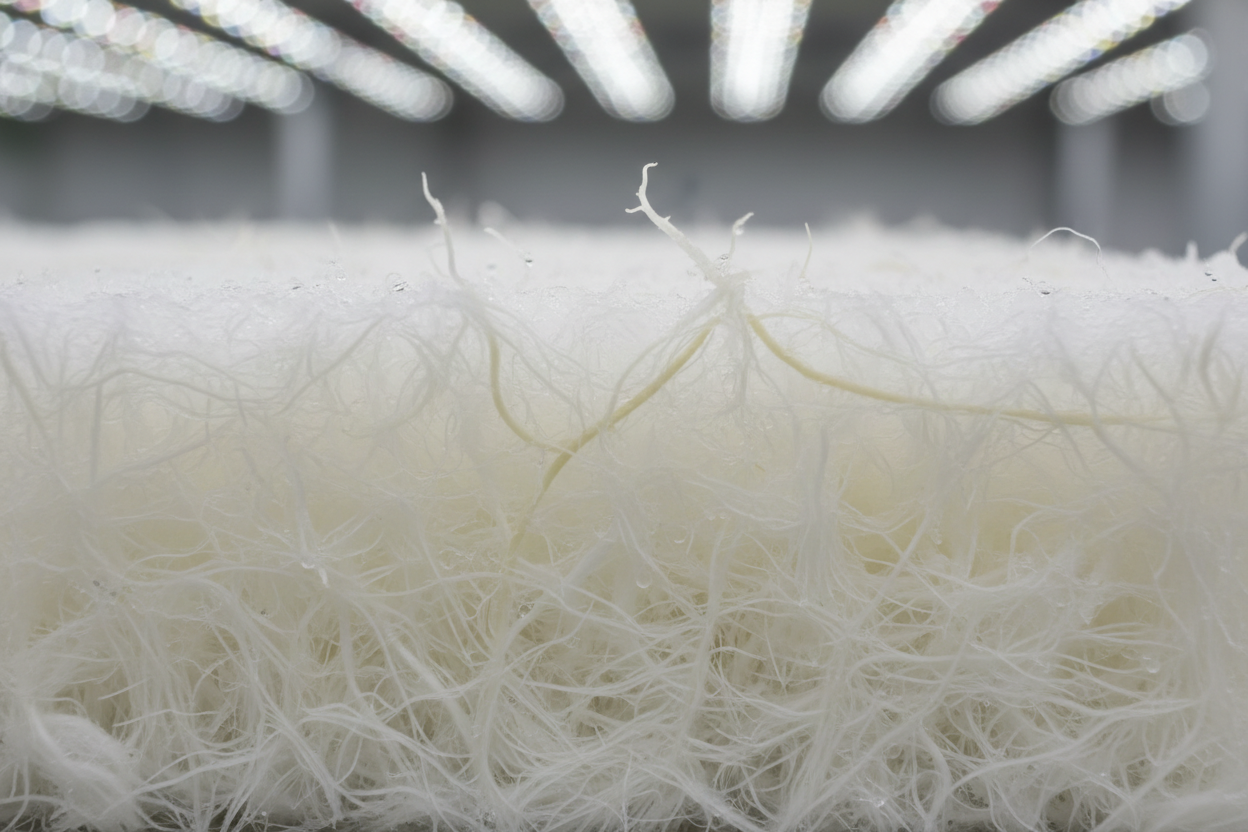
Rockwool's water retention and aeration profile sits between coco and clay pebbles. It holds water well while maintaining adequate air space within the fibre structure. The balance is consistent and predictable across the medium, which is one reason commercial growers favour it: the performance is repeatable from one batch to the next in a way that organic media like coco can vary slightly depending on source and processing.
The aeration within rockwool depends significantly on irrigation management. Rockwool that is overwatered stays too wet and reduces oxygen availability at the roots. Rockwool managed with appropriate dry-back periods between irrigations maintains the balance that makes it effective. Dry-back, the practice of allowing the medium to lose a defined percentage of its moisture content between irrigation events, is a core management technique specific to rockwool growing and requires understanding to execute correctly.
Seed Germination and Cloning with Rockwool
Rockwool is the standard medium for seed germination and clone propagation in commercial hydroponic settings. Small rockwool cubes provide the moisture level and fibrous support that seed germination requires. Seedlings started in small cubes can be transplanted directly into larger slabs or containers without root disturbance, as the cube integrates into the surrounding medium seamlessly. This propagation-to-production continuity is a meaningful operational advantage over switching between media at transplant.
pH Preparation and Disposal of Rockwool
Raw rockwool has a naturally high pH, typically around 7.0 to 8.0, which sits above the optimal hydroponic range of 5.5 to 6.5. Before use, rockwool must be soaked in pH-adjusted water at around 5.5 to bring it down to the correct range. Skipping this step leads to pH-related nutrient lockout during the seedling and early vegetative stages. Pre-soaking is a standard preparation step that experienced rockwool growers treat as routine but that catches new growers off guard.
Rockwool is not reusable in the same way as clay pebbles. Sterilisation between cycles is more complex, and most commercial growers treat it as single-use per crop. Disposal is an environmental consideration as rockwool does not biodegrade readily. Some growers offset this by using compressed rockwool granulate, which can be incorporated into soil mixes at the end of its hydroponic life.
Rockwool Is Best For
Rockwool suits drip systems, Dutch bucket systems, and commercial slab production. It is the most practical medium for seed germination and propagation regardless of what medium the grow eventually uses. For growers running high-production operations where consistency and predictability are the priority, rockwool's commercial track record across decades of greenhouse production is difficult to argue against.
Many experienced growers use more than one medium across different parts of their operation, rockwool for propagation, then clay pebbles or coco for the main grow cycle. The choice does not have to be exclusive, and mixing media to suit each stage of production often delivers better overall results than committing to a single medium throughout.
Side by Side: Coco Coir vs Clay Pebbles vs Rockwool
| Feature | Coco Coir | Clay Pebbles | Rockwool |
|---|---|---|---|
| Water Retention | High | Low | Medium |
| Aeration | Good | Excellent | Good |
| pH (natural) | 5.8 – 6.5 | Neutral (inert) | 7.0 – 8.0 (pre-soak required) |
| Reusability | 1 – 2 cycles | Multiple cycles | Single use (per crop) |
| Cal-Mag Needed | Yes (CEC interaction) | No | No |
| Best System Types | Drip, drain-to-waste, hand-watered | DWC, ebb and flow, NFT, recirculating drip | Drip, Dutch bucket, commercial slabs |
| Best For | Beginners, soil-to-hydro transition | Recirculating systems, experienced growers | Propagation, commercial operations |
Which Medium Is Right for You
For growers coming from soil or running simpler hand-watered or drip systems, coco is the most accessible starting point. The moisture retention is forgiving, the feel is familiar, and the performance is strong with proper Cal-Mag management. It is the medium most likely to deliver good results from the first grow for someone new to hydroponics.
For growers running recirculating systems including DWC, ebb and flow, and NFT, clay pebbles are the natural fit. The aeration is excellent, the reusability reduces long-term cost, and the inert chemistry simplifies nutrient management. Frequent irrigation is a system design requirement rather than a daily management burden in these configurations.
For propagation at any scale and for commercial-oriented growing where consistency is the priority, rockwool is the industry standard for good reasons. The performance is predictable, the integration from propagation cube through to grow slab is seamless, and the commercial track record spans decades of large-scale greenhouse production.
Shop Hydroponic Growing Media at Hydro Experts
Hydro Experts carries the full range of hydroponic growing media, including coco coir, clay pebbles from Canna, Plagron, and House and Garden, and rockwool in cube, slab, and granulate formats. Alongside the media, you will find the nutrients, Cal-Mag supplements, pH management tools, and system equipment to make each medium perform at its best.
FAQs
Coco coir is generally the most accessible starting point for new hydroponic growers. The moisture retention is more forgiving of irrigation timing errors than clay pebbles, the management approach is closer to soil growing, and the performance with a quality nutrient program is excellent. The main additional requirement is consistent Cal-Mag supplementation throughout the grow due to coco's natural cation exchange properties.
Clay pebbles are highly reusable with proper preparation between cycles. Rinse thoroughly to remove root debris, soak in a dilute hydrogen peroxide or sterilising solution, rinse again, and dry before reuse. A well-maintained batch of clay pebbles can run multiple grow cycles. Coco can be reused with more intensive preparation including sterilisation and re-buffering, but most growers treat it as one to two grow cycles per batch before replacing. Rockwool is generally single-use per crop.
Yes, this is a required preparation step. Raw rockwool has a naturally high pH around 7.0 to 8.0, which sits above the optimal hydroponic range of 5.5 to 6.5. Soak new rockwool in pH-adjusted water at around 5.5 for at least one hour before use to bring the medium down to the correct range. Skipping this step leads to pH-related nutrient unavailability during the critical early growth stages.
Clay pebbles drain freely and hold very little water between irrigations. The gaps between pebbles fill with air rather than retaining moisture, which is excellent for root oxygenation but means the medium dries out quickly. Systems using clay pebbles need to deliver nutrient solution frequently enough to meet the plant's water demand without allowing the root zone to dry out between events. DWC, NFT, and ebb and flow systems are designed around this requirement and are the most effective pairings for clay pebble media.