
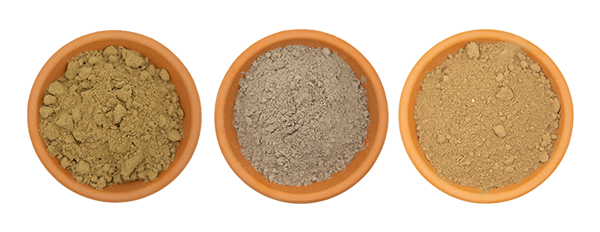


Powder vs Liquid Nutrients for Hydroponics: Which Is Best?
By Hydro Experts | 7 October 2026
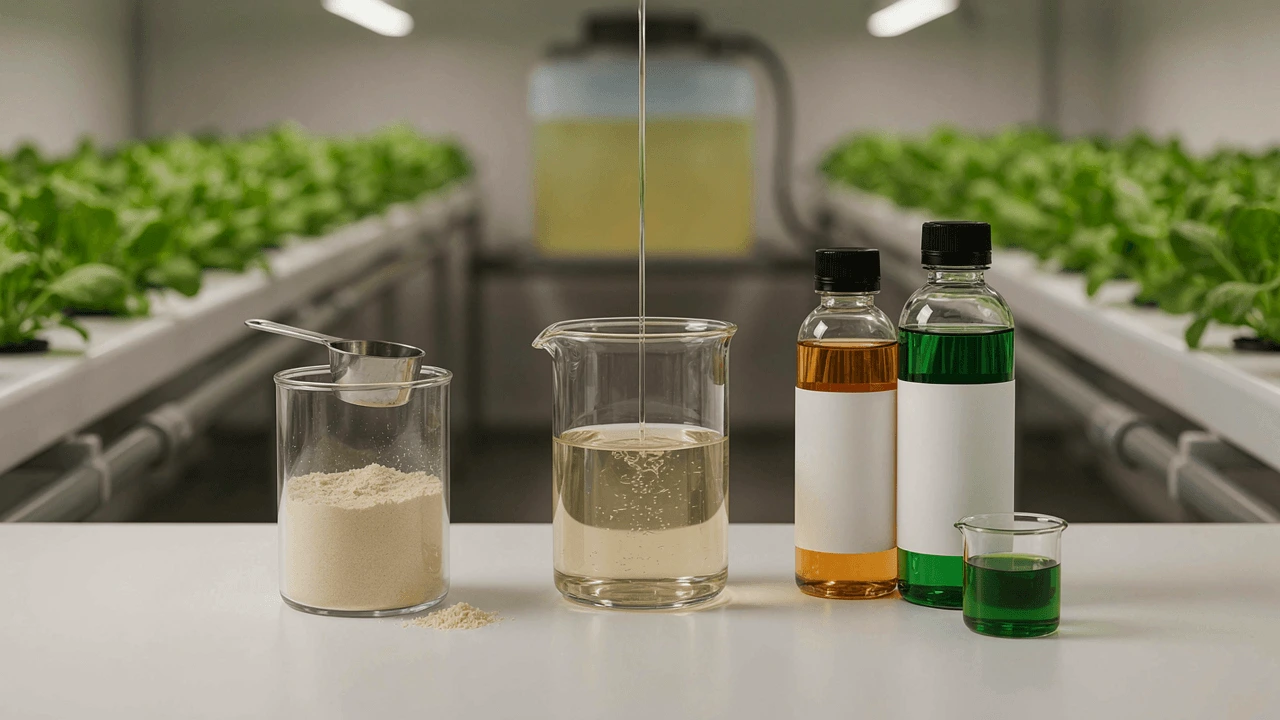
Choosing a hydroponic nutrient is not only about what is inside the bottle or bag. The format you buy can also affect how much space it takes up, how easy it is to transport, how you store it, how you mix it, and what you actually spend over time.
For most growers, the choice comes down to two options: powder nutrients or liquid nutrients.
Both can provide the nutrients plants need for hydroponic growing, and both are available in complete feeding programs for different crops and growing systems. Hydro Experts carries both formats, including liquid A+B nutrients, powdered hydroponic base nutrients, hydroponic nutrient kits, and products from brands such as Canna, Liquid Science, Ozi Magic, Green House Powder Feeding, Professor's Nutrients, and others.
So which one makes more sense for your garden? The answer depends less on the word "powder" or "liquid" and more on how you buy, store, mix, and use your nutrients.
Powder vs Liquid Hydroponic Nutrients: What's the Difference?
The main difference is simple. Liquid nutrients are already dissolved and supplied as a concentrated solution. You measure the recommended amount and add it to your reservoir or mixing container.
Powder nutrients are supplied in a dry, concentrated form. Depending on the product, the powder may be added according to the manufacturer's instructions or dissolved into water first to create a stock solution.
Some powder and liquid products are available as two-part A+B systems. The separate parts are designed to keep certain nutrients stable in concentrated form. They should not be combined while still concentrated because some ingredients can react and form insoluble compounds.
That means the format changes the handling and preparation of the product, but it does not automatically determine which nutrient program is better for your plants.
Powder vs Liquid Nutrients at a Glance
| Factor | Powder Nutrients | Liquid Nutrients |
|---|---|---|
| Shipping | Usually lighter and more compact | Heavier because you're transporting liquid |
| Storage | Takes less space | Bottles can take up more room |
| Shelf handling | Must be kept dry | Easy to use but bottles need secure storage |
| Mixing | Requires accurate dissolving or measuring | Usually faster and simpler to measure |
| Transport | Convenient for larger quantities | More weight and bulk |
| Upfront price | Can be higher or lower depending on product | Wide range of prices |
| Cost per usable feed | Often attractive for concentrated products | Depends heavily on concentration and dosage |
| Convenience | More preparation | Generally easier for quick mixing |
| Best suited to | Growers focused on storage, shipping and value | Growers focused on convenience and simplicity |
The important thing is that price per bottle or bag does not tell the whole story. A smaller-looking bag of powder may produce far more nutrient solution than a bottle of liquid, so the useful comparison is how much finished nutrient solution you get from the product.
Shipping: Why Powder Has an Advantage
Shipping is one of the clearest differences between the two formats.
Liquid nutrients contain a large amount of water. That means the grower is effectively paying to transport both the nutrient concentrate and the water it is dissolved in.
Powder nutrients remove much of that weight before shipping.
For example, Hydro Experts stocks products in both formats. Its current range includes powdered products such as Ozi Magic Monsta Grow and Liquid Science Grow A+B Powder, alongside liquid products such as Liquid Science Grow A+B Liquid and a wide range of bottled A+B nutrients.
This becomes more noticeable as the quantity increases.
If you are buying a small bottle for a home setup, the difference in shipping weight may not matter much. If you regularly purchase nutrients in larger quantities, however, a concentrated powder can be much easier to transport and store.
Powder Is Particularly Useful for Bulk Buyers
Commercial growers and larger home gardens can benefit from the reduced bulk of dry nutrients.
Instead of storing several large bottles of concentrated liquid, a grower can store a smaller quantity of dry product and prepare the required solution when needed, provided the product's instructions allow for this.
Some powdered products are specifically designed to be dissolved into A and B stock concentrates. For example, Australian nutrient formulations are available in powder form that can produce hundreds or thousands of litres of final nutrient solution depending on the kit size and dilution instructions.
That makes the concentration of the product more important than the package size alone.
Storage: Powder Takes Less Space, But It Needs to Stay Dry
Storage is another area where powder and liquid behave differently.
A dry nutrient powder can take up considerably less space than the equivalent amount of liquid nutrient. It also avoids the problem of storing large bottles that can be awkward to move around.
The trade-off is moisture.
Powder needs to be protected from humidity and water so that it does not absorb moisture, clump, or become difficult to measure. Keep the original packaging properly closed and follow the manufacturer's storage instructions.
Liquid nutrients are generally easier to use straight from the container, but the bottles themselves need more storage space.
You should also keep liquid nutrients protected from unsuitable temperatures and direct light when the manufacturer recommends it. For example, CANNA advises storing certain nutrient products closed, in a dark and frost-free location, because light can affect some components such as iron chelates.
Storage Comes Down to Your Setup
If you have limited storage space, powder can be attractive because you can keep a large amount of nutrient in a relatively small package.
If convenience matters more than storage efficiency, keeping ready-to-measure liquid nutrients on a shelf can be simpler.
Either way, keep nutrients sealed and follow the storage instructions supplied with the specific product.
Mixing Powder Nutrients
Powder nutrients are not necessarily difficult to mix, but they usually require a little more preparation.
The exact process depends on the product.
Some powders are designed to be measured directly into the nutrient solution, while others are designed to be dissolved into concentrated stock solutions first.
If you are using a two-part powder system, each part generally needs to be dissolved separately.
For example, one Australian powder nutrient system instructs growers to dissolve Part A and Part B separately in water, allow the solutions to cool, and then add them separately when preparing the final nutrient solution. It also specifically warns against mixing the two concentrated parts together because precipitation can occur.
The basic principle is:
Water first, then nutrients, with each component mixed according to its label instructions.
Never assume that every powder follows the same mixing ratio or sequence. Always use the feed chart supplied by the manufacturer.
Mixing Liquid Nutrients
Liquid nutrients are generally more straightforward because the product has already been dissolved.
You measure the recommended amount and add it to your water.
For multi-part products, however, the same basic rule applies: do not mix concentrated nutrient parts directly together.
For example, CANNA instructs growers to add Part A to the water, mix thoroughly, and then add Part B. The company explains that combining concentrated A and B directly can create insoluble compounds.
General Hydroponics gives a similar instruction for its FloraSeries system, recommending that each component be added to fresh water separately and mixed thoroughly before the next component is added.
So liquid does not mean you can simply pour everything together.
The process is still important.
Which Is Easier to Mix?
For most growers, liquid nutrients are more convenient for everyday mixing.
There is less preparation involved because the nutrient is already in liquid form. You can measure the required amount and add it to your reservoir.
Powder requires more care when measuring and dissolving, particularly when preparing stock concentrates.
That does not make powder a worse option. It simply means you trade some convenience for advantages in concentration, storage, and transport.
If you mix nutrient solution frequently and want the quickest routine possible, liquid may be more appealing.
If you prepare larger batches and are comfortable following a mixing process, powder can make more sense.
Powder vs Liquid Nutrients: Which Is Cheaper?
This is where comparisons can become misleading.
A $20 bottle of liquid nutrient and a $20 bag of powder cannot necessarily be compared directly.
What matters is how much finished nutrient solution each product can make.
For example, Hydro Experts currently lists Liquid Science Grow A+B Powder in 2 × 2.5 kg and 2 × 10 kg packs, while its liquid version is available in 2 × 1 L, 2 × 5 L and 2 × 25 L formats.
The package sizes alone do not tell you which option costs less per litre of finished feed.
Instead, calculate:
Cost per litre of finished nutrient solution = Product cost ÷ Total litres of nutrient solution produced
This gives you a much more useful comparison.
Example
Imagine a powder costs $100 and produces 2,000 litres of final nutrient solution.
The cost would be:
$100 ÷ 2,000 = $0.05 per litre
Now imagine a liquid nutrient costs $80 but produces only 1,000 litres at the manufacturer's recommended dosage.
That works out to:
$80 ÷ 1,000 = $0.08 per litre
The powder would cost less per litre of finished solution in this example.
These numbers are only an illustration. Always use the actual price and manufacturer's dilution rate for the products you are comparing.
Does Powder Always Cost Less?
No.
Powder is often attractive because it can be highly concentrated and more efficient to transport, but that does not mean every powder product is automatically cheaper.
Brand, formulation, concentration, crop, feeding rate and package size all affect the final cost.
Hydro Experts stocks products across a wide range of price points and formats, including powdered and liquid base nutrients, so the best comparison is product-specific rather than based on format alone.
You should also consider how much product you actually use.
A cheaper nutrient that requires a higher dosage may end up costing more per finished litre than a more expensive-looking product with a lower application rate.
Powder vs Liquid for Small Home Gardens
For a small hydroponic system, liquid nutrients can be the simpler choice.
You can keep a bottle nearby, measure the recommended amount, mix it into your reservoir and get on with your grow.
There is less preparation and no need to dissolve dry ingredients.
Powder can still work well for small gardens, particularly if storage space is limited or you prefer buying concentrated nutrients.
The question is really about which inconvenience you would rather deal with.
- Liquid: more space and shipping weight, but easier day-to-day handling.
- Powder: more preparation, but less bulk and potentially more efficient storage and transport.
New to feeding programs? A boxed hydroponic nutrient starter kit takes the guesswork out of choosing the right parts.
Powder vs Liquid for Larger Systems
As the size of the growing system increases, the practical advantages of powder can become more noticeable.
Large systems can consume significant amounts of nutrients over time, which means transport, storage, and cost per finished litre matter more.
A concentrated powder can allow growers to keep a large amount of potential nutrient solution in a relatively small package.
Liquid nutrients can still be a practical choice for larger systems, especially when convenience and fast preparation are priorities. Hydro Experts stocks liquid nutrient products in larger sizes, including 20 L and 50 L options across parts of its range, such as Liquid Science Bloom A+B Liquid and Canna Classic Vega A+B.
For larger operations, the right choice should therefore be based on the manufacturer's dosage rate, total feed volume, storage requirements, and handling process rather than package format alone.
Growing outdoors or in soil at scale? Browse outdoor nutrients, including powder options such as Green Planet Backcountry Blend Grow, or choose organic hydroponic nutrients for a natural feeding program.
Powder vs Liquid: What About Nutrient Quality?
The physical format itself does not determine whether a nutrient is suitable for your plants.
A well-formulated powder and a well-formulated liquid can both provide the required nutrients when used according to their instructions.
What matters is the formulation, nutrient ratios, crop requirements, growing medium, water quality, and feeding program.
Hydro Experts offers nutrients for different systems and crops, including DWC, coco and other hydroponic setups, with formulas designed for different plant stages and requirements.
That means you should choose the nutrient formula first, then consider whether its powder or liquid format suits the way you grow.
Which One Should You Choose?
There is no universal winner between powder and liquid nutrients.
Choose Powder If You Care Most About:
- Lower shipping weight
- Compact storage
- Buying nutrients in larger quantities
- Concentration
- Reducing packaging bulk
- Potentially lower cost per litre of finished feed
- Preparing your own stock solutions
Powder can be particularly useful when nutrient consumption is high and transport or storage efficiency matters. Popular powder options include Green House Powder Feeding Grow and Ozi Magic Monsta Bloom.
Choose Liquid If You Care Most About:
- Fast and simple mixing
- Easy measuring
- Minimal preparation
- Convenience for regular feeding
- Ready-to-use concentrated solutions
Liquid is particularly convenient for growers who want a straightforward mixing routine and do not want to prepare dry nutrients before use. Browse liquid A+B systems such as Canna Coco A+B, or add targeted hydroponic supplements and additives to your feeding program.
A Simple Way to Decide
Ask yourself four questions:
1. How much nutrient do I use?
If you only use small quantities, the convenience of liquid may matter more than transport efficiency.
2. How much storage space do I have?
If space is limited, concentrated powder can be easier to store.
3. How often do I mix nutrients?
If you are mixing frequently and want a quick routine, liquid can be more convenient.
4. What is the cost per litre of finished feed?
Don't compare package prices alone. Work out how much finished nutrient solution each product produces at the manufacturer's recommended rate.
These four questions will usually tell you more than simply asking whether powder or liquid is "better."
Where to Buy Powder and Liquid Hydroponic Nutrients in Australia
Hydro Experts stocks a broad range of hydroponic nutrients in both liquid and powder formats, including base nutrients, nutrient kits, supplements and additives.
Its current range includes products from brands such as Canna, Liquid Science, Ozi Magic, Green House Powder Feeding, Professor's Nutrients, Hy-Gen, Terra Aquatica and others. You can compare them all in our hydroponic nutrients by brand collection.
Hydro Experts also offers free delivery over $499, with bulky items excluded, and provides discreet shipping.
That makes it easier to compare different formats and package sizes based on the amount of nutrient you actually need rather than buying solely by bottle size.
FAQs
Neither format is automatically better. Powder is often more convenient for shipping, storage, and buying concentrated nutrients, while liquid is generally easier to measure and mix. The formulation and suitability for your crop and system matter more than the physical format.
They can be, particularly when the product is highly concentrated, but it depends on the formulation and dosage. Compare the cost per litre of finished nutrient solution rather than the price of the package.
Generally, yes. Liquid nutrients are already dissolved, so they typically require less preparation before being added to the growing system. You still need to follow the manufacturer's dosage and mixing instructions.
Follow the specific instructions for the product. Some powders are added directly to water, while others are first dissolved into separate A and B stock solutions. Never combine concentrated A and B products directly unless the manufacturer specifically says they are compatible.
Do not mix concentrated A and B nutrients directly together unless the product instructions specifically allow it. Many two-part systems separate the nutrients because certain ingredients can react and precipitate when concentrated.