
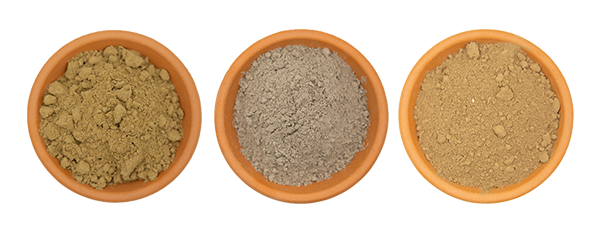


Coco Coir Grades: Fine vs Chunky vs Mixed | Which to Use
By Hydro Experts | 6 July 2026
Fine, chunky or mixed? Learn how each coco coir grade affects water retention, drainage and root-zone aeration, and find the right medium for your plants and watering setup.
Coco coir is not a single, uniform product. Walk through any hydroponics store and you will find it sold as fine peat, chunky chips, and pre-blended mixes, all made from the same coconut husk but processed completely differently. Picking the wrong grade for your setup can mean a growing medium that drains too fast, holds too much water, or simply does not suit the plants you are growing.
This guide breaks down the main coco coir grades, what separates chunky from fine from mixed, and which one actually fits your setup and watering routine.
Quick Insights: Coco Coir Grades (Chunky, Fine, and Mixed)
- Fine coco coir (coco peat) holds more moisture and suits seed starting, hand-watering, and plants that benefit from consistent root-zone moisture.
- Chunky coco coir (coco chips) provides higher aeration and faster drainage, making it ideal for orchids, high-drainage setups, and frequently irrigated hydroponic systems.
- Mixed coco blends combine fine coir with chips or perlite to balance water retention and airflow, making them a versatile choice for hydroponics and general growing.
- Choose based on your watering routine; fine coco suits less frequent watering, while chunky or mixed grades work better with regular or automated irrigation.
- Always check whether coco is pre-buffered. Raw coco should generally be rinsed and buffered before planting to remove excess salts and prepare it for nutrient uptake.
- Coco's calcium and magnesium needs matter; its cation exchange properties can affect nutrient availability, so Cal-Mag supplementation is often necessary.
- Coco can be reused across growing cycles when properly rinsed and sanitised, making quality coir a practical long-term growing medium.
What Is Coco Coir Made From?
Coco coir comes from the fibrous material between a coconut's outer husk and its hard inner shell. Once separated from the coconut, this material is washed, processed, and graded into different forms depending on how finely it is broken down. The result is a range of products, all technically coco coir, that behave very differently once they are in a pot or a hydroponic system.
Regardless of grade, coco coir shares a few core properties that make it a popular growing medium across hydroponic and soil-adjacent setups.
- Sustainable and renewable, since it is a byproduct of the coconut industry rather than a mined or harvested resource like peat moss.
- Naturally resistant to compaction, keeping the root zone aerated for longer than many soil-based alternatives.
- Neutral pH, suiting a wide range of plants without heavy adjustment.
- Reusable across multiple grows, provided it is properly rinsed and maintained between cycles.
Where the grades genuinely differ is in water retention, aeration, and how each one behaves once it is wet. Understanding these differences is what allows growers to match the medium to their irrigation habits rather than adapting their habits to an ill-fitting medium.
Fine Coco Coir (Coco Peat)
Fine coco coir, often called coco peat or coco pith, is the soft, soil-like material most people picture when they think of coco. It is made by finely processing the coconut husk, then washing and screening it to remove larger fibres and lumps. The result is a consistent, workable medium that holds moisture in a way that rewards less frequent watering schedules.
Key Characteristics of Fine Coco Coir
Fine coco coir holds moisture similarly to how a sponge does, which makes it forgiving for growers who water less frequently or who want a soil-like feel without using soil. Its fine, consistent texture makes it easy to work with for hand-watered setups and for seed starting, where consistent moisture around developing roots matters more than rapid drainage. On its own, fine coco has lower air porosity than coarser grades because the smaller particles pack more tightly, which can restrict oxygen in the root zone if used without any amendment in high-frequency irrigation systems.
Fine coco coir is also the most common base ingredient in pre-buffered coco bricks and blocks. Some compressed bricks expand from a few hundred grams of dry material into 7 to 10 litres of usable growing medium once hydrated, making them an efficient storage and transport format for growers who want to minimise packaging without compromising on quality.
Chunky Coco Coir (Coco Chips)
Coco chips are the coarser, chunkier material from the same coconut husk, made up of larger pieces rather than finely ground fibre. Where fine coco coir behaves like a sponge, chips behave more like a drainage layer — holding some moisture at the surface of each piece while leaving significant air space between them.
Key Characteristics of Coco Chips
The larger particle size of coco chips creates significantly higher air porosity, with more space between pieces allowing oxygen to reach the root zone freely. This comes at the cost of water retention, chips dry out faster than fine coco and need more frequent watering or irrigation to keep the root zone adequately moist. They are well suited to drip irrigation and hydroponic systems where fast drainage and strong oxygen availability at the root zone are the design priority, and to orchid growing and other applications where waterlogging is a constant risk with finer media.
Coco chips are rarely used entirely on their own in general potting, since their low water retention can mean watering far more often than most growers want to manage outside of an automated system. They shine in setups built specifically around frequent irrigation, or as a structural, fast-draining addition mixed into a broader growing medium.
Mixed Coco Coir (Coco Perlite and Blended Ratios)
Mixed coco products combine fine coco coir with either coco chips or perlite, aiming to strike a balance between the moisture retention of fine coco and the drainage and aeration of chunkier material. They tend to be the most practical starting point for growers who want solid performance without managing the extremes that pure fine coco or pure chips require.
Common Mixed Formats
Coco and perlite blends add perlite to fine coco coir to improve drainage and airflow while retaining much of coco's natural water-holding capacity. Coco chip ratios, such as a 60/40 or 70/30 blend of chips to fine coco, give growers a middle ground between high aeration and reliable moisture retention. Pre-buffered, ready-to-use blends arrive pH-stabilised and salt-washed from the factory, removing the need for growers to buffer the medium themselves before planting.
A 60/40 chip-to-coco blend, for example, sits between the high water retention of 100% fine coco and the fast drainage of a 70/30 coco-perlite mix, giving a more forgiving medium that still drains well and resists compaction over multiple grow cycles. This kind of blend suits growers who irrigate on a moderate schedule and want a medium that tolerates some variability in timing without waterlogging or drying out too fast.
Choosing the Right Grade for Your Setup
The right grade comes down to how often you are able to water and what kind of system you are running. Matching medium to irrigation habit prevents most of the common problems growers run into with coco, over-watering with fine coco in a drip system, or under-watering with chips in a hand-watered setup.
| Growing Situation | Recommended Grade | Reason |
|---|---|---|
| Hand-watering, infrequent schedule | Fine coco coir (coco peat) | Higher water retention provides buffer between waterings |
| Drip irrigation or automated hydroponic system | Mixed blend or coco chips | Drainage and oxygen availability suit frequent irrigation cycles |
| Orchids or high-drainage specialist plants | Pure coco chips | Large air pockets prevent waterlogging that fine coco can cause |
| Seed starting or propagating cuttings | Fine coco coir | Consistent moisture and fine texture support early root development |
| Lower-maintenance, forgiving all-rounder | Blended ratio (60/40 or coco-perlite) | Solid drainage without needing to water constantly |
Practical Tips Regardless of Grade
Buffering Before First Use
Always rinse and buffer coco coir before first use unless it is specifically labelled pre-buffered. Raw coco coir, across all grades, can carry naturally occurring salts that interfere with nutrient uptake, particularly calcium and magnesium availability. Buffering involves soaking the coco in a calcium-magnesium solution to displace these competing ions before planting. Pre-buffered products skip this step, making them a practical choice for growers who want to go straight from bag to pot.
Cal-Mag Supplementation
Cal-mag supplementation matters more in coco than in soil because coco coir's cation exchange properties can bind calcium and magnesium that would otherwise be available to plants. Running a nutrient solution that includes adequate calcium and magnesium throughout the grow cycle, not just during the seedling stage, prevents deficiency symptoms that are common in coco grows managed with soil-oriented feeding schedules. This applies across all grades of coco.
Reusing Coco Across Cycles
Reusing coco coir across grow cycles is genuinely practical, provided it is rinsed and sanitised properly between uses. High-quality coco holds up well across multiple cycles without breaking down structurally, which makes it one of the more cost-effective hydroponic media over time. Between cycles, flush the used coco with clean water to remove salt buildup, treat with a suitable sterilising agent to reduce pathogen load, and re-buffer before replanting. Coco that has been heavily compacted or that smells off should be composted rather than reused.
Match your medium to your watering habits, not just your plant type. Two growers with the same plant can have very different ideal grades depending on how often they are actually able to water and what irrigation system they are running.
Find the Right Coco Coir at Hydro Experts
Not sure which coco coir grade fits your setup? Browse the full range of coco coir, coco chips, and blended mixes at Hydro Experts, or reach out to the team for help picking the right medium for your grow. Whether you are running a drip system, hand-watering, or propagating cuttings, there is a coco grade and format that fits the way you actually grow.
FAQs
Fine coco coir holds significantly more water and has a soil-like texture, making it forgiving for less frequent watering schedules and well suited to seed starting and hand-watered setups. Coco chips are chunkier, drain much faster, and provide more air porosity around the root zone, making them the better fit for drip irrigation systems, orchids, and other applications where fast drainage and high oxygen availability are the priority.
Both approaches work well. Mixing your own gives you more control over the exact ratio and lets you dial in drainage and moisture retention to match your specific watering schedule and plant needs. Buying a pre-blended, pre-buffered product saves time and ensures a consistent, salt-washed starting point without needing to source and combine the components separately. For growers new to coco, a quality pre-blend is often the lower-friction starting point.
A mixed blend, such as a 60/40 or 70/30 chip-to-coco ratio, generally works best for drip irrigation systems. This balance provides the drainage and root-zone oxygen availability that frequent irrigation cycles require, while retaining enough moisture between runs to avoid the root zone drying out completely. Pure coco chips can also work in high-frequency drip systems, but require more careful timing to prevent the medium from drying too rapidly between cycles.
Coco peat refers specifically to the fine, soil-like grade of coco coir, the soft, finely processed material that holds moisture and has a texture similar to potting mix. Coco coir is the broader term covering all grades, including fine peat, chunky chips, and blended mixes. When a product is labelled coco coir without a grade specification, it is usually the fine peat form, but it is worth checking the product details to confirm.
Yes, unless the product is labelled pre-buffered. Raw coco coir, whether fine, chunky, or mixed, can carry naturally occurring salts, particularly potassium and sodium, that compete with calcium and magnesium uptake and can affect plant nutrition from the first watering. Buffering involves saturating the coco with a calcium-magnesium solution before planting to displace these competing ions. Pre-buffered products from reputable suppliers arrive ready to use straight from the bag, which removes this step entirely and reduces the margin for error at the start of a grow.